Engineered Septic Systems
An engineered septic system is a custom-designed wastewater solution required for properties where site conditions, such as poor soil or a high water table, prevent the installation of a conventional system. These advanced systems use specialized components like pumps, modified drainfields, and advanced treatment units to effectively process sewage and ensure environmental protection.
Alternative septic systems or engineered septic systems are often used in scenarios where a conventional septic system cannot be installed. The limiting factors on the placement of a conventional septic system are three: groundwater table, bedrock, and local health ordinances. Alternative septic systems are required by the local health departments when the soil or groundwater conditions are not ideal.
If your property qualifies for a conventional system instead, see our new installation guide. Already have a system? Keep it running with regular septic tank pumping or protect your investment with our warranty program.
When Do You Need an Engineered System?
A professional inspection can determine whether your property needs an engineered solution. Common situations include:
- High groundwater table that prevents conventional drain field installation
- Shallow bedrock limiting soil depth for wastewater treatment
- Poor soil percolation (failed perc test)
- Small lot size with insufficient room for a conventional system
- Steep slopes or challenging terrain
- Local SCDES regulations requiring advanced treatment
Not sure what you need? Contact us for a free site evaluation, or read our complete guide to septic systems to learn more.
Types of Engineered Septic Systems
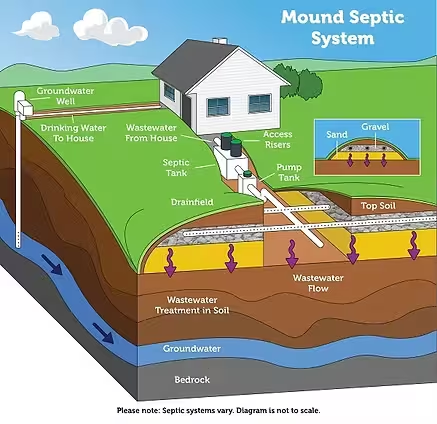
Mound Septic System
Mound systems are used in cases of shallow soil depth or bedrock or high groundwater. The clean water or the effluent leaves the septic tank and goes to a pump chamber that distributes it in prescribed doses to a drain field trench. Then it filters through the sand.
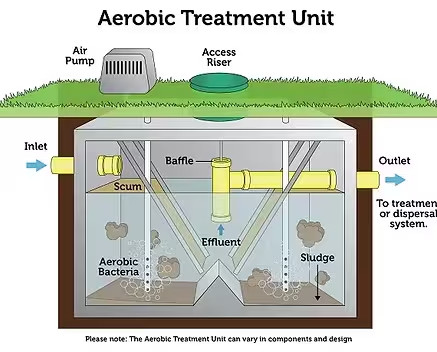
Aerobic Treatment Unit
Aerobic treatment units are used in places with inadequate soil conditions, the water table is too high or the lot is small. Aerobic treatment units are similar to municipal sewage plants. The aerobic system works to inject additional oxygen into the septic tank to increase the activity of the natural bacteria and clean the water further.
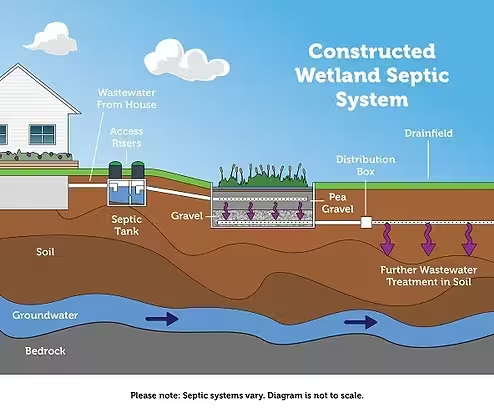
Constructed Wetland System
It is a replica of the treatment processes that occur in natural wetlands. Constructed wetland systems can work in almost any type of soil. Here is a man-made shallow pond lined and filled with rock, tire chippings, microbe and plants. The effluent exits the septic tank and passes through the media in the wetland cell to break down the pollutants.
Drip Distribution System
A drip distribution system can be used with shallow soils, clays and on steep slopes. With this type of system, no large amount of soil is needed but a large dose tank that is needed to sit after the septic tank and regulate the delivery of wastewater to the drip absorption area.
Recirculating Sand Filter System
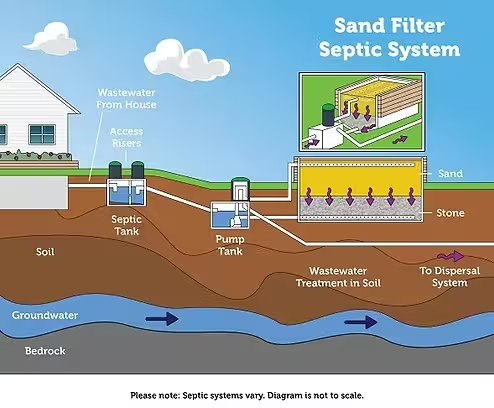
This is a large box filled with sand. It is 2-4 feet deep with a watertight liner of concrete or PVC. Sand filters can be built above or below ground. The effluent leaves the septic tank to a pump chamber before it goes to the sand filter. Then water is pumped at low pressure through the pipes at the top of the filter.
Chamber System
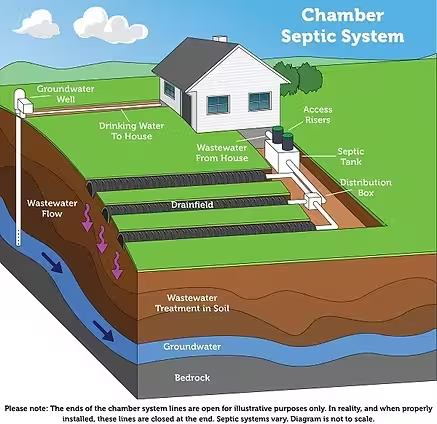
A chamber system is suited to areas with high groundwater tables or a scarcity of gravel. It is a standard septic system with an alternative leach field without gravel. This type of system offers significant savings on gravel and the smaller size of the drain field. The wastewater leaves the septic tank to a series of connected chambers. Inside the chambers, microbes on the soil treat the effluent.
Related Services
New Installations
Standard septic tank and drain field installations with SCDES permitting.
Learn more →Septic System Inspections
Verify your engineered system is functioning properly. 3 levels from $500.
Learn more →Septic System Repairs
Expert repair service for conventional and engineered systems.
Learn more →Septic Tank Pumping
Comprehensive pumping with Crust Buster agitation starting at $599.
Learn more →Warranty Program
Protect your engineered system with 3-15 year maintenance plans.
Learn more →Lift Station Services
Commercial lift station maintenance and emergency repair.
Learn more →Service Areas
We serve 12 counties across South Carolina from our Darlington headquarters.
Need an Engineered System?
Our specialists evaluate, design, install, and service engineered septic systems. Contact us for a consultation.