Septic Services in Clarendon County, SC
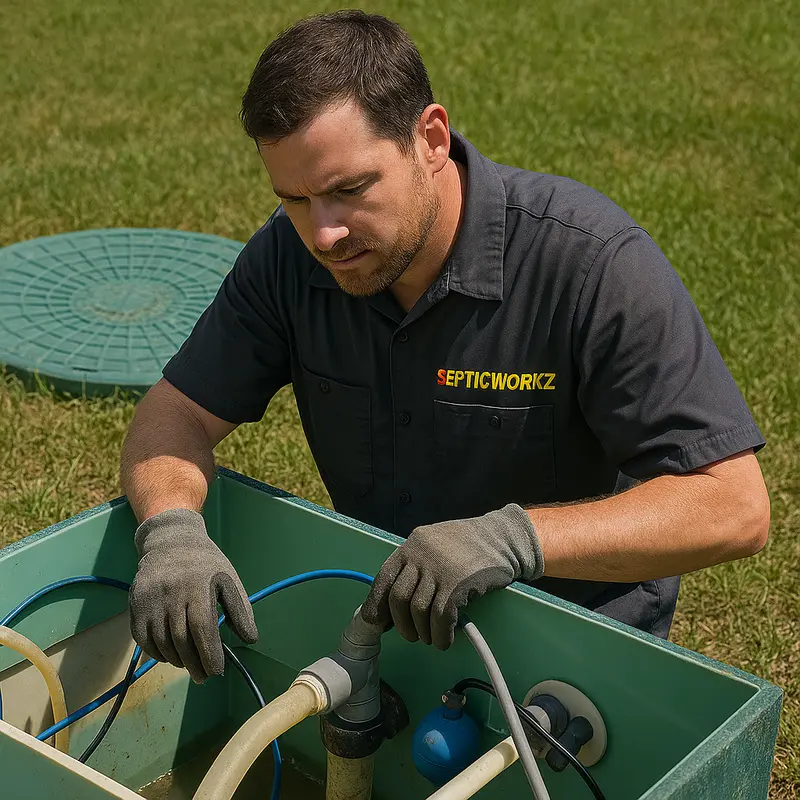
SepticWorkz provides professional septic tank pumping, inspections, repairs, and complete system installations throughout Clarendon County, South Carolina. Our licensed technicians serve residential and commercial properties with reliable, affordable septic solutions.
Call 843-543-3050Did You Know? — Clarendon County
Clarendon County borders Lake Marion, the largest lake in South Carolina, covering over 110,000 acres with 511 miles of shoreline. Created as a New Deal project completed in 1941 for rural electrification, the lake is named for Revolutionary War hero Francis Marion. Ironically, Marion's own home at Pond Bluff was among the properties flooded when the lake was created. Today it's one of the top fishing destinations in the Southeast for crappie, bass, and catfish.


Our Services in Clarendon County
Septic Tank Pumping
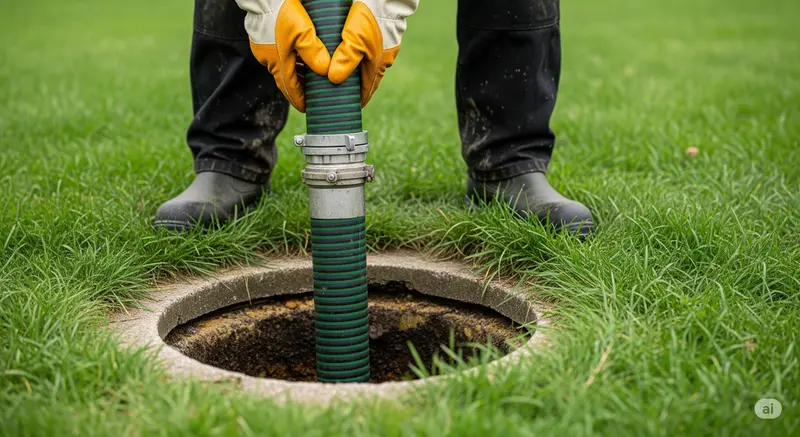
From $599Comprehensive pumping with Crust Buster agitation, hydro-vac, baffle & filter cleaning, inspection, and SCDES-compliant disposal.
Learn more →Septic Inspections
From $5003 inspection levels for homebuyers, sellers, and real estate agents. Licensed septic contractors.
Learn more →Septic Repairs
Call for Quote24/7 emergency repair service for drain field clogs, pipe damage, tank cracks, and system failures.
Learn more →New Installations
Call for QuoteComplete septic system design and installation with SCDES permitting and perk testing.
Learn more →Engineered Systems
Call for QuoteCustom-engineered solutions for challenging soil, high water tables, or steep slopes.
Learn more →Warranty Program
From $199/yr3 to 15 year maintenance plans with scheduled pumping, priority scheduling, and emergency coverage.
Learn more →Cities We Serve in Clarendon County
About Clarendon County — What Affects Your Septic System
Welcome to Summerton — Where History Runs Deep
Summerton is known as the gateway to Santee and Lake Marion, making it a favorite stop for anglers and outdoor enthusiasts heading to the water. The town also holds an important place in American civil rights history — Briggs v. Elliott, one of the five cases consolidated into the landmark Brown v. Board of Education Supreme Court decision, originated right here in Summerton in 1947. That courageous stand by local families helped change the course of education in America forever.
Source: Town of Summerton
Welcome to Turbeville — A Quiet Farming Community
Turbeville is a small, close-knit farming community in Clarendon County where agriculture has been a way of life for generations. The town sits along US-378 between Manning and Lake City, surrounded by fields of tobacco, cotton, soybeans, and corn that define the landscape. With a population of just a few hundred residents, Turbeville offers the kind of quiet, unhurried rural living that many South Carolinians cherish.
Source: Town of Turbeville
Welcome to Manning — Gateway to Lake Marion
Manning is the county seat of Clarendon County and sits just a short drive from Lake Marion, the largest lake in South Carolina at over 110,000 acres. The lake was created in the 1940s as part of the Santee Cooper hydroelectric project and has made Manning a popular destination for bass fishing, boating, and lakeside living. Downtown Manning features a charming courthouse square and a community that takes pride in its hospitality.
Source: City of Manning
Manning Soil & Septic Conditions
Manning's location in the Coastal Plain means soils here tend to be a mix of sandy loams and clay, with conditions varying depending on your elevation and proximity to Lake Marion and its tributaries. Properties closer to the lake or in lower-lying areas often deal with higher water tables, especially during the wetter months from November through March. These conditions can affect drain field performance, so proper system design that accounts for seasonal water table fluctuations is essential.
Source: USDA Web Soil Survey
Turbeville Soil & Septic Conditions
Turbeville's agricultural soils are typical of the upper Coastal Plain — mostly sandy loam topsoil over clay subsoils that can vary in depth from property to property. The farming activity in the area means some properties have been plowed and tilled for decades, which can affect soil structure and percolation rates compared to undisturbed ground. Testing both the surface and subsurface soil layers gives us the full picture of how your drain field will perform.
Source: USDA Web Soil Survey
Summerton Soil & Septic Conditions
Summerton's proximity to Lake Marion and the Santee River system means many properties sit on soils with moderate to poor drainage and seasonally high water tables. The Coastal Plain soils here often have a sandy surface layer over a denser clay subsoil, which can create drainage challenges for conventional septic drain fields. In some areas around Summerton, alternative septic system designs like mound systems may be necessary to handle these soil conditions.
Source: USDA Web Soil Survey
Clarendon County by the Numbers
Clarendon County has a population of approximately 31,000 residents and about 24,000 housing units across 607 square miles. The county has seen recent growth in housing units, up about 2% year over year, driven partly by Lake Marion waterfront development. Outside of Manning and Summerton, the majority of homes — an estimated 50-60% — use septic systems. Lot sizes near the lake tend to be half an acre to one acre, while inland rural lots are typically larger.
Source: U.S. Census Bureau 2023 ACS
SCDES Septic Permit Requirements for Clarendon County
Clarendon County septic systems must be permitted through SCDES under Regulation 61-56. The county's low-lying Coastal Plain terrain features many poorly drained soils with seasonal high water tables, which often require alternative system designs such as mound systems (System Standard 420/421) or elevated infiltration systems (System Standard 601). Standard setbacks include 75 feet from private wells, 100 feet from public wells, 75 feet from Lake Marion and other water bodies, and 5 feet from property lines. The $150 site evaluation fee is required at permit application.
Source: SCDES Regulation 61-56
Clarendon County Soil Types and Septic Performance
Clarendon County sits on the middle Coastal Plain and features predominantly sandy and loamy soils on its gently sloping uplands, with extensive swampland soils in the low-lying areas near Lake Marion and the Black River. The upland soils — primarily Norfolk, Goldsboro, and Lynchburg series sandy loams — offer moderate drainage and are generally suitable for conventional septic systems when properly sited. In the swamp and wetland areas that cover large portions of the county, organic muck soils and very poorly drained sands create severe limitations for septic installation and typically cannot support any type of on-site wastewater system.
Source: USDA Web Soil Survey; NRCS Soil Series Classifications
Septic Tips for Turbeville Homeowners
In a rural community like Turbeville where most homes are on well water, a healthy septic system directly protects your family's drinking water supply. If you have farm equipment, make sure it never drives over your drain field — even a single pass with a heavy tractor can compact the soil and damage distribution lines. Turbeville's clay subsoils can slow drainage over time, so if you notice water pooling or slow drains in the house, don't wait — call for an inspection.
Source: SepticWorkz Recommendation
Septic Tips for Manning Homeowners
If you live near Lake Marion, keeping your septic system in good working order isn't just about your property — it's about protecting the lake that so many people depend on for recreation and drinking water. Manning homeowners should avoid using garbage disposals with septic systems, as the extra food waste dramatically increases how often your tank needs to be pumped. During the wet winter months, try to reduce water usage if you notice your yard staying soggy around the drain field area.
Source: SepticWorkz Recommendation
Septic Tips for Summerton Homeowners
Summerton homeowners with lakefront or near-lake properties should have their septic systems inspected annually, since a failing system this close to Lake Marion can cause real environmental harm. If your home uses an alternative system like a mound or aerobic treatment unit, these require more frequent maintenance than a conventional system — don't skip those scheduled service visits. Be sure to divert rainwater downspouts and sump pump discharge away from your drain field.
Source: SepticWorkz Recommendation
Seasonal High Water Tables and Flatwoods Soils in Clarendon County
Clarendon County is part of the Atlantic Coast Flatwoods, characterized by flat terrain, poorly drained loamy soils, and seasonally high water tables that can rise to within inches of the ground surface. These conditions drastically reduce the vertical separation between drain field trenches and saturated soil, limiting the soil's ability to treat wastewater. Properties near Lake Marion and the Santee River system face additional risk from fluctuating lake levels that can raise local water tables beyond seasonal norms.
Source: USDA Soil Survey — Coastal Flatwoods; SC DNR Hydrology
Clarendon County Water Table and Septic Considerations
Clarendon County's seasonal high water table varies considerably between its uplands and lowlands. On the higher sandy loam ridges, the water table typically sits 2 to 4 feet below the surface, which can support conventional septic systems with careful site placement. Near Lake Marion and in the extensive swamplands along the Santee and Black rivers, the water table is frequently at or near the surface, especially from December through April. These saturated conditions make large areas of the county unsuitable for conventional septic systems, and properties near any waterway should undergo thorough soil and water table evaluation.
Source: USGS Ground-Water Levels in South Carolina; SC Department of Environmental Services
Clarendon County Rivers, Watersheds, and Flood Zones
Clarendon County is dominated by Lake Marion — South Carolina's largest lake at 95 square miles with 450 miles of shoreline — which forms the county's western and southern boundaries. The lake was created in 1942 by the Santee Dam on the Santee River, and the Black River also flows through the county before merging with the Pee Dee system downstream. The extensive shoreline and low-lying swamplands around Lake Marion are FEMA-designated flood zones, and the lake's influence raises groundwater levels in surrounding areas, creating challenges for septic system installations on properties near the waterfront.
Source: SC Department of Natural Resources; SC Encyclopedia — Clarendon County; FEMA
Winter Wet Season Septic Tips for Clarendon County
Clarendon County's water table is typically highest from December through March, when sustained winter rains keep the flat terrain saturated for extended periods. During these months, conserve water aggressively — fix leaky faucets, use high-efficiency fixtures, and avoid running multiple water-heavy appliances simultaneously. If you notice standing water, soggy ground, or sewage odors near your drain field during the wet season, contact a licensed septic professional immediately rather than waiting for conditions to worsen.
Source: SCDES Homeowner Resources; Clemson Extension — Be Septic Safe
Proud Supporter of Local Youth Sports
SepticWorkz proudly supports the Scott's Branch Eagles, the Scott's Branch Middle, the Manning Monarchs, and youth athletics across Clarendon County. We believe in giving back to the communities we serve.
Need Septic Service in Clarendon County?
Call us today for a free estimate. Same day service available.
What People Are Saying
“We were tired of dealing with a discount pumper who just wasn't getting the job done! Our septic system was backing up every 3 to 6 months. Finally, we called Septic Workz. They used the Crust Buster to get all the solids out and then added commercial chemicals to help balance our tank. Three years later, we still haven't experienced any backups!”