Septic Services in Marlboro County, SC
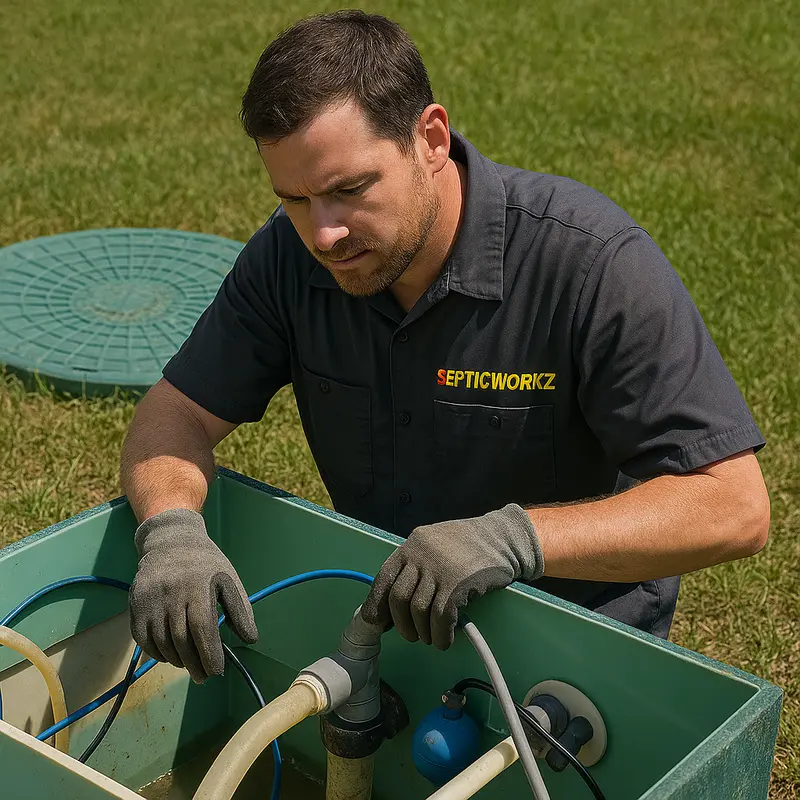
SepticWorkz provides professional septic tank pumping, inspections, repairs, and complete system installations throughout Marlboro County, South Carolina. Our licensed technicians serve residential and commercial properties with reliable, affordable septic solutions.
Call 843-543-3050Did You Know? — Marlboro County
Marlboro County has deep Welsh roots. In 1737, the South Carolina colonial government set aside 173,000 acres exclusively for Welsh settlers. Within a decade, nearly all the land had been settled by Welsh Baptist immigrants from Delaware, Pennsylvania, and directly from Wales. The county itself was established in 1785 and named for the Duke of Marlborough.


Our Services in Marlboro County
Septic Tank Pumping
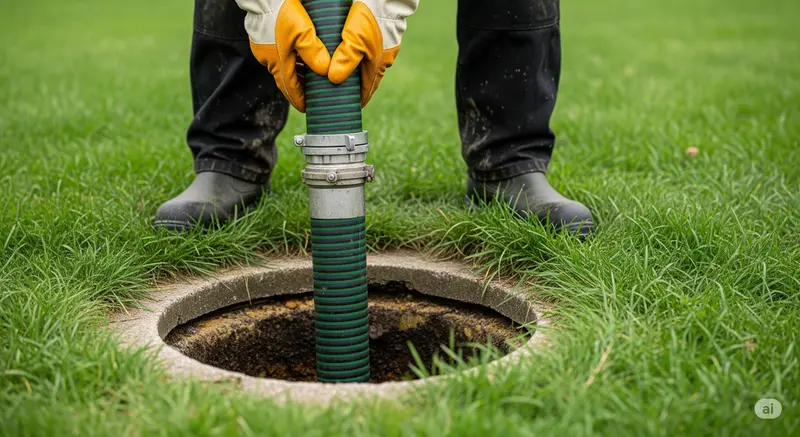
From $599Comprehensive pumping with Crust Buster agitation, hydro-vac, baffle & filter cleaning, inspection, and SCDES-compliant disposal.
Learn more →Septic Inspections
From $5003 inspection levels for homebuyers, sellers, and real estate agents. Licensed septic contractors.
Learn more →Septic Repairs
Call for Quote24/7 emergency repair service for drain field clogs, pipe damage, tank cracks, and system failures.
Learn more →New Installations
Call for QuoteComplete septic system design and installation with SCDES permitting and perk testing.
Learn more →Engineered Systems
Call for QuoteCustom-engineered solutions for challenging soil, high water tables, or steep slopes.
Learn more →Warranty Program
From $199/yr3 to 15 year maintenance plans with scheduled pumping, priority scheduling, and emergency coverage.
Learn more →Cities We Serve in Marlboro County
About Marlboro County — What Affects Your Septic System
McColl: A Border Town with Textile Heritage
McColl is a small town on the South Carolina–North Carolina border in Marlboro County, with a history deeply rooted in the textile industry that once powered the Pee Dee region's economy. The town was incorporated in 1883 and grew around the railroad and cotton mills that provided employment for generations of local families. Though the mills have closed, McColl retains a strong sense of community and is working to revitalize its downtown area.
Source: Marlboro County
Clio: A Former Railroad Boomtown
Clio is a historic small town in Marlboro County that experienced a boom in the late 1800s when the railroad arrived, turning it into a busy stop for commerce and agriculture. At its peak, Clio was a thriving hub with cotton warehouses, general stores, and a bustling main street. The town was named after Clio, the Greek muse of history, and several of its original buildings still stand as reminders of its prosperous past.
Source: Marlboro County Historical Society
Bennettsville: The Historic County Seat of Marlboro County
Bennettsville has served as the county seat of Marlboro County since 1819 and features a well-preserved historic downtown with notable landmarks like the Jennings-Brown House, a stunning antebellum mansion listed on the National Register of Historic Places. The Marlboro County Courthouse, built in 1884, anchors the town square and reflects the architectural grandeur of the post-Civil War era. Bennettsville's history is closely tied to cotton agriculture and later the textile industry that shaped the Pee Dee region.
Source: Marlboro County Historical Society
Bennettsville Soil & Septic Conditions
Bennettsville is located in the Sandhills region transitioning into the upper coastal plain, which gives the area a mix of deep sandy soils and loamy soils with moderate clay content. The sandy soils near the surface generally provide good drainage, but areas with more clay can slow percolation significantly. The soil profile can change quite a bit across Marlboro County, and a percolation test is the best way to know exactly what your property is working with.
Source: USDA Web Soil Survey
Clio Soil & Septic Conditions
Clio sits in an area where Sandhills soils meet the upper coastal plain, resulting in predominantly sandy loam soils with pockets of heavier clay, especially along creek bottoms and low-lying areas. The upland areas around town generally have good septic suitability, while lower spots near streams may have seasonal wetness that complicates drain field performance. The soil type can change significantly over short distances, making site evaluation essential.
Source: USDA Web Soil Survey
McColl Soil & Septic Conditions
McColl's soils are characteristic of the Carolina Sandhills, featuring deep sandy soils that drain very quickly. While fast drainage sounds ideal for septic systems, it can actually be a concern because wastewater may pass through the soil too quickly without adequate treatment. Properties in the McColl area may benefit from systems designed to slow the effluent flow, ensuring proper filtration before it reaches the water table.
Source: USDA Web Soil Survey
Marlboro County by the Numbers
Marlboro County has a population of approximately 26,200 residents and roughly 12,000 housing units across 480 square miles. As one of the more rural counties in the Pee Dee, a significant majority of homes outside Bennettsville use septic systems — likely 50-60% countywide. Rural lot sizes are typically generous, averaging one to three acres, making septic systems a practical and common choice for homeowners.
Source: U.S. Census Bureau 2023 ACS
SCDES Septic Permit Requirements for Marlboro County
Marlboro County requires an SCDES permit for all onsite wastewater system installations under Regulation 61-56. The county straddles the Sandhills and upper Coastal Plain, so soil conditions vary significantly — from deep, excessively drained sands to well-drained clayey Marlboro series soils. Standard setbacks apply: 75 feet from private wells, 100 feet from public wells, 75 feet from water bodies, and 5 feet from property lines. The $150 site evaluation fee is due at application, and sites above the fall line may require a backhoe pit excavation during evaluation.
Source: SCDES Regulation 61-56; USDA Marlboro Soil Series Description
Marlboro County Soil Types and Septic Performance
Marlboro County is located on the inner Coastal Plain and contains some of the most productive agricultural soils in South Carolina, with prime Class 1 and Class 2 loamy and sandy loam soils on its uplands. These well-drained Marlboro, Norfolk, and Orangeburg series soils offer moderate to good percolation rates and are generally favorable for conventional septic systems. In the lowlands along the Great Pee Dee River on the county's western border, heavier clay soils and wet sandy strips near wetlands drain poorly and typically require larger drain fields or alternative septic system designs.
Source: USDA Web Soil Survey; NRCS Official Soil Series Descriptions
Septic Tips for Clio Homeowners
Clio's older properties may have septic tanks made from materials that don't hold up as well over time — if your system is more than 25 years old, it's worth having a professional assess the tank's structural integrity. Don't ignore soggy spots or foul odors near your drain field, as these are early warning signs of failure that only get more expensive to fix if you wait. Diverting roof runoff and surface water away from your drain field area helps keep the soil in good condition for wastewater treatment.
Source: SepticWorkz Recommendation
Septic Tips for Bennettsville Homeowners
Bennettsville's older homes may have septic systems that were installed decades ago under different regulations — if you're buying an older property, always get a septic inspection before closing. Avoid using chemical drain cleaners and antibacterial products excessively, as they kill the beneficial bacteria in your tank that break down solid waste. Regular pumping every 3 to 5 years is the single most cost-effective thing you can do to extend the life of your system.
Source: SepticWorkz Recommendation
Septic Tips for McColl Homeowners
With McColl's fast-draining sandy soils, it's important to make sure your drain field is properly designed to prevent untreated wastewater from reaching groundwater too quickly. If you have a well on your property, maintain at least the SCDES-required setback distance between your well and your septic components. Consider using a septic system additive approved by SCDES if your sandy soil isn't providing enough natural bacterial treatment.
Source: SepticWorkz Recommendation
Variable Soil Conditions Across Marlboro County
Marlboro County's geology spans from deep sandy Sandhills soils in the western portions to moderately permeable clayey marine sediments (the Marlboro soil series) on upland areas. Sandy Sandhills soils drain too quickly, allowing effluent to pass through without adequate treatment before reaching groundwater. Conversely, the clayey upland soils can be slow to absorb, leading to drain field ponding. A Professional Soil Classifier is especially important here to match the system design to highly variable site conditions.
Source: USDA Marlboro Soil Series Description; USGS Sandhills Geology
Marlboro County Water Table and Septic Considerations
The well-drained uplands of Marlboro County generally have a seasonal high water table between 4 and 6 feet below the surface, providing excellent conditions for conventional septic systems. Along the Great Pee Dee River bottomlands and near Crooked Creek and other tributaries, the water table can rise to within 12 to 24 inches of the surface during the wet winter and spring months. Properties in these transitional and low-lying areas should be evaluated by a professional soil classifier, as the seasonal saturation may require a mound system or other alternative septic design.
Source: USGS Ground-Water Levels in South Carolina; SC Department of Environmental Services
Marlboro County Rivers, Watersheds, and Flood Zones
Marlboro County is bordered on the west by the Great Pee Dee River and is also drained by the Little Pee Dee River and Crooked Creek. The Great Pee Dee originates as the Yadkin River in North Carolina's Appalachian Mountains and flows 232 miles southeast through cypress swamps and bottomland forests before eventually reaching Winyah Bay. The river's wide floodplain along Marlboro County's western edge is a designated FEMA flood zone with poorly drained soils, and septic installations in these areas require careful evaluation and often elevated or engineered system designs.
Source: SC Department of Natural Resources; Pee Dee Land Trust; FEMA Flood Insurance Rate Maps
Year-Round Septic Awareness in Marlboro County
In Marlboro County's sandy Sandhills areas, summer droughts can cause soil to shrink away from tank and pipe connections, creating gaps that allow root intrusion and surface water infiltration when rains return. In the clayey upland areas, winter and spring rains can keep soils saturated for weeks. Inspect exposed risers and cleanouts in spring for signs of shifting, and keep trees and deep-rooted shrubs at least 30 feet from your drain field to prevent root damage.
Source: Clemson Extension — Be Septic Safe; SCDES Homeowner Resources
Proud Supporter of Local Youth Sports
SepticWorkz proudly supports the Blenheim Middle, the McColl Middle, the Wallace Middle, and youth athletics across Marlboro County. We believe in giving back to the communities we serve.
Need Septic Service in Marlboro County?
Call us today for a free estimate. Same day service available.
What People Are Saying
“We were tired of dealing with a discount pumper who just wasn't getting the job done! Our septic system was backing up every 3 to 6 months. Finally, we called Septic Workz. They used the Crust Buster to get all the solids out and then added commercial chemicals to help balance our tank. Three years later, we still haven't experienced any backups!”