SAME DAY PUMPING24/7 EMERGENCY SERVICE100% JOB SATISFACTION843-543-3050
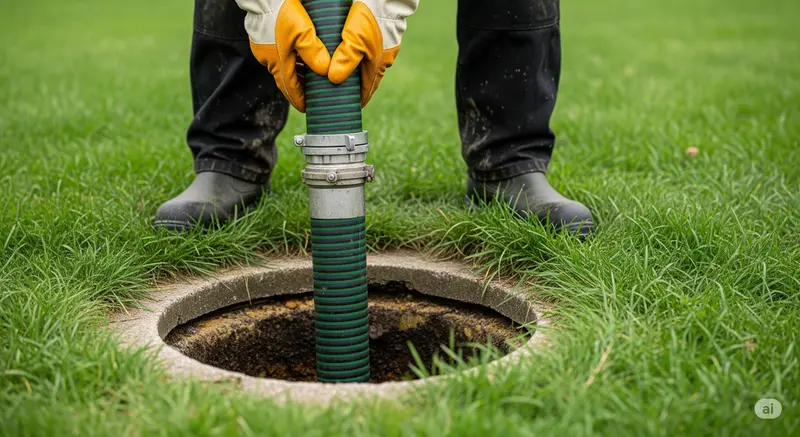
Technician with orange gloves inserting a green pump hose into an open septic tank lid on a lawn in Florence County, SC

Septic Services in Florence County, SC

SepticWorkz provides professional septic tank pumping, inspections, repairs, and complete system installations throughout Florence County, South Carolina. Our licensed technicians serve residential and commercial properties with reliable, affordable septic solutions.

Call 843-543-3050
Did You Know? — Florence County

The city of Florence was named in honor of Florence Harllee, daughter of W.W. Harllee, president of the Wilmington & Manchester Railroad. When the railroad purchased land in 1853 for a depot at the junction of three major rail lines, the town that grew up around it took the young girl's name. Florence grew into the Pee Dee's largest city thanks to its railroad crossroads.

Pumping from $599
Inspections from $500
Warranty from $199/yr
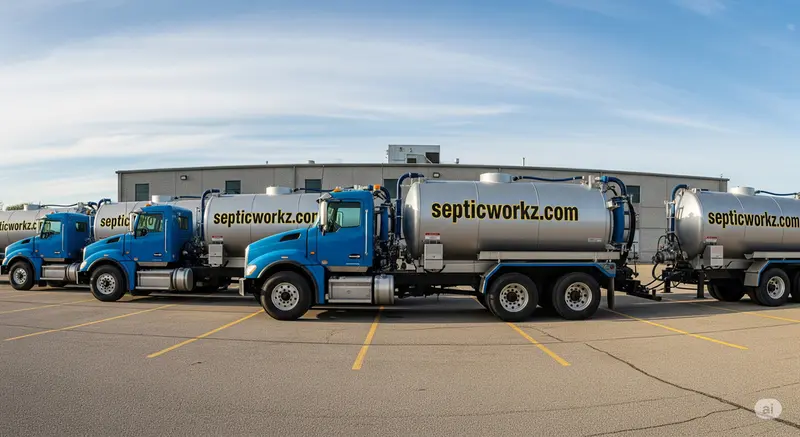
Fleet of blue SepticWorkz pump trucks with stainless steel tanks parked at the company yard serving Florence County
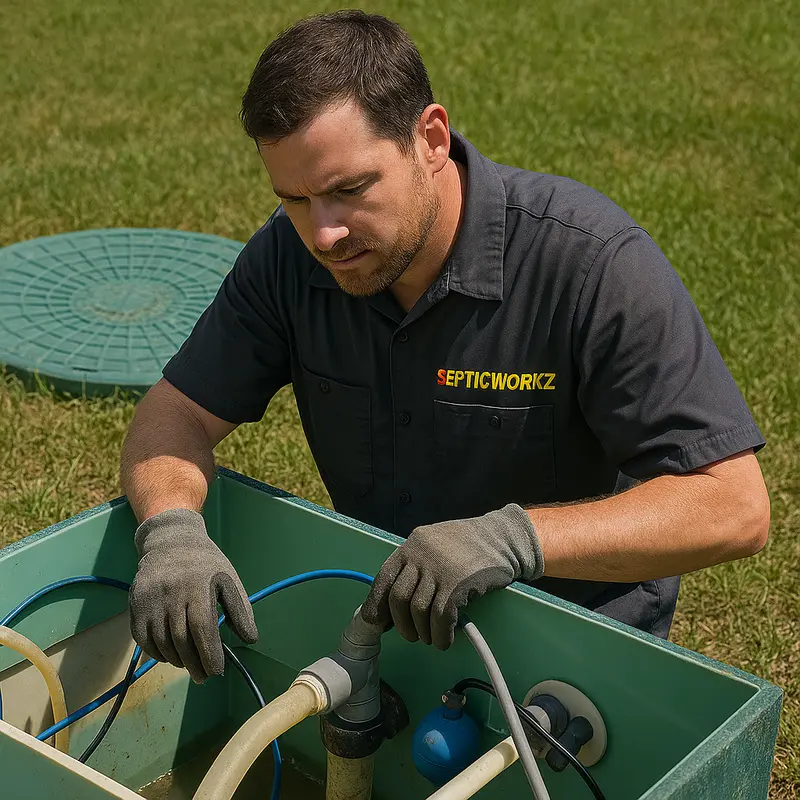
SepticWorkz technician in branded uniform inspecting a green septic control box on a residential lawn in Florence County, SC

About Florence County — What Affects Your Septic System

Local Spotlight

Welcome to Florence — The Hub City of the Pee Dee

Florence is the largest city in the Pee Dee region and earned the nickname "Hub City" because of its location at the crossroads of I-95 and I-20. The city is a major medical hub, home to McLeod Regional Medical Center and MUSC Health Florence, serving patients from across the region. Florence also has a growing arts and dining scene, with the Florence Downtown Development Corporation revitalizing the historic downtown.

Source: SepticWorkz Local Research

Local Spotlight

Welcome to Johnsonville — A Lynches River Community

Johnsonville is a small town in eastern Florence County situated along the Lynches River, known for its tight-knit community and agricultural roots. The town served as a strategic river crossing point during the Civil War and has preserved much of its small-town Southern character. Johnsonville's rural setting and proximity to the river make it a quiet retreat in the Pee Dee region.

Source: SepticWorkz Local Research

Local Spotlight

Welcome to Pamplico — Small Town on the Lynches River

Pamplico is a small town in Florence County nestled near the Lynches River, one of South Carolina's designated Scenic Rivers. The town has a population of just a few hundred residents and maintains a quiet, rural character rooted in agriculture and community. Pamplico's proximity to the Lynches River makes it a popular spot for kayaking, fishing, and enjoying the natural beauty of the Pee Dee.

Source: SepticWorkz Local Research

Local Spotlight

Welcome to Effingham — A Growing Community Near Florence

Effingham is an unincorporated community just south of Florence that has seen steady residential growth in recent years. Located along U.S. Route 52, Effingham offers a more rural feel while still being just minutes from Florence's shopping, dining, and medical facilities. The area is home to South Florence High School and a growing number of residential subdivisions attracting families looking for more space.

Source: SepticWorkz Local Research

Local Spotlight

Welcome to Timmonsville — A Quiet Farming Community

Timmonsville is a small farming town located between Florence and Darlington along U.S. Route 76. The town has a rich agricultural heritage, with tobacco, soybeans, and cotton being the primary crops grown in the surrounding area. Timmonsville's close-knit community and rural character make it a peaceful place to call home in the heart of the Pee Dee.

Source: SepticWorkz Local Research

Local Spotlight

Welcome to Lake City — Where Art Meets Agriculture

Lake City is known worldwide for ArtFields, a 10-day art competition and festival held each spring that transforms the entire downtown into a gallery. The town is also the hometown of Dr. Ronald E. McNair, the physicist and NASA astronaut who lost his life in the 1986 Space Shuttle Challenger disaster. Lake City's agricultural roots run deep, with tobacco and row crops still playing a major role in the local economy.

Source: SepticWorkz Local Research

Local Soil Conditions

Johnsonville Soil Conditions and Your Septic System

Johnsonville's location along the Lynches River means many properties sit on sandy, alluvial soils that drain quickly but can have a high water table. While sandy soils are generally good for septic drainage, they can sometimes allow effluent to move too quickly without proper filtering. It's important that your septic system is properly designed for the specific soil conditions on your property to ensure safe wastewater treatment.

Source: USDA Web Soil Survey

Local Soil Conditions

Florence Soil Conditions and Your Septic System

Florence's soil varies considerably across its zip codes, with sandy Coastal Plain soils in some areas and tighter clay soils in others. Properties on the outskirts of the city, particularly toward the rural areas of 29505, tend to have better natural drainage for septic systems. If you're in a newer subdivision that was recently developed from farmland, make sure your builder conducted a proper perc test before installing your septic system.

Source: USDA Web Soil Survey

Local Soil Conditions

Lake City Soil Conditions and Your Septic System

Lake City's name hints at the wet conditions in the area — the town sits in a low-lying part of Florence County where the water table can be quite high, especially during rainy seasons. Soils here tend to be a mix of sandy loam and clay with variable drainage rates. Homeowners should be aware that a high water table can cause septic systems to back up more easily, making regular maintenance essential.

Source: USDA Web Soil Survey

Local Soil Conditions

Timmonsville Soil Conditions and Your Septic System

Timmonsville's farmland soils are typically sandy loam in the upper layers with clay subsoils beneath. These layered soils can create drainage challenges where water moves quickly through the top layer but gets trapped at the clay boundary. If your drain field was installed without accounting for this clay layer, you may experience wet spots in your yard or slow-draining fixtures inside your home.

Source: USDA Web Soil Survey

Local Soil Conditions

Effingham Soil Conditions and Your Septic System

Effingham's soils are generally sandy loam, which is favorable for septic drain field absorption and drainage. However, newer subdivisions in the area may have been built on land that was previously farmed, and compacted agricultural soils don't always drain as well as natural forest soils. If you're in a newer Effingham development, make sure your septic system was designed with the actual soil conditions in mind.

Source: USDA Web Soil Survey

Local Soil Conditions

Pamplico Soil Conditions and Your Septic System

Properties around Pamplico near the Lynches River floodplain tend to have alluvial soils that are sandier but can be seasonally saturated. During wet seasons, the water table in these low-lying areas rises significantly, which can stress septic drain fields. Homes on higher ground away from the river generally have better-draining soils and fewer septic challenges.

Source: USDA Web Soil Survey

Local Statistics

Florence County by the Numbers

Florence County has a population of approximately 138,000 residents with about 64,900 housing units across 804 square miles. As the regional hub of the Pee Dee, Florence has more extensive municipal sewer infrastructure than surrounding counties, though homes outside city limits — especially in the southern and western portions — commonly use septic systems. Lot sizes range from quarter-acre city lots to multi-acre rural parcels.

Source: U.S. Census Bureau 2023 ACS

SCDES Regulations

SCDES Septic Permit Requirements for Florence County

Florence County septic permits are administered by SCDES under Regulation 61-56, with the local office located in Florence at (843) 661-4825. The $150 site evaluation fee applies, and a soil evaluation determines whether a conventional trench system or an alternative system (such as a mound or chamber system) is required. Setback requirements include 75 feet from private wells, 100 feet from public wells, 75 feet from streams and ponds, 25 feet from drainage ditches, and 5 feet from property lines. All systems must maintain a 50% reserve repair area on the property.

Source: SCDES Regulation 61-56

Soil Composition

Florence County Soil Types and Septic Performance

Florence County lies on the inner Coastal Plain and features predominantly sandy loam and loamy sand soils of the Orangeburg, Norfolk, and Goldsboro series on its upland areas. These well-drained to moderately well-drained soils offer good percolation rates and are generally favorable for conventional septic systems. In the river bottomlands along the Pee Dee and Lynches rivers, heavier alluvial soils with higher clay content are common, which drain more slowly and may require larger drain fields or engineered septic solutions.

Source: USDA Web Soil Survey; NRCS Soil Series Classifications

Local Septic Tip

Septic Tips for Timmonsville Homeowners

Many Timmonsville properties are on well water, so keeping your septic system in top shape is critical for protecting your family's drinking water. Make sure your septic tank and well are properly separated — SCDES requires at least 100 feet between them. If you notice any unusual taste or odor in your well water, get both your well and septic system checked immediately.

Source: SepticWorkz Recommendation

Local Septic Tip

Septic Tips for Florence Homeowners

Florence's rapid growth means many homes are in newer developments that rely on septic systems until city sewer lines are extended. If your neighborhood is expected to eventually connect to city sewer, keep your septic system maintained in the meantime — a failing system can cause costly damage to your yard and home. Schedule regular pump-outs every 3 to 5 years and avoid flushing anything other than toilet paper.

Source: SepticWorkz Recommendation

Local Septic Tip

Septic Tips for Johnsonville Homeowners

Johnsonville homeowners on sandy soils should be aware that fast-draining soil can sometimes mean your septic effluent isn't getting fully treated before reaching the groundwater. If you're on well water, this makes regular septic maintenance even more important. Have your system inspected every two years and consider a water quality test for your well annually to make sure everything is working as it should.

Source: SepticWorkz Recommendation

Local Septic Tip

Septic Tips for Lake City Homeowners

Because of Lake City's lower elevation and higher water table, we strongly recommend keeping your septic tank on a regular pumping schedule. Heavy spring rains can temporarily saturate drain fields in this area, so avoid doing excessive laundry or running multiple water-heavy appliances during extended wet periods. If you notice your drains slowing down after heavy rain, it's time to call a professional for an inspection.

Source: SepticWorkz Recommendation

Local Septic Tip

Septic Tips for Pamplico Homeowners

If your Pamplico property is near the Lynches River or in a low-lying area, pay close attention to your septic system's performance during the wetter months of winter and early spring. Saturated soils can cause drain fields to fail temporarily, leading to backups and soggy yards. Consider having your tank pumped before the rainy season to give your system the best chance of handling the extra groundwater.

Source: SepticWorkz Recommendation

Local Septic Tip

Septic Tips for Effingham Homeowners

As Effingham continues to grow, many new homes are being built on septic systems rather than city sewer. If you've recently purchased a new construction home, make sure you know where your septic tank and drain field are located before landscaping or adding any structures. We see too many homeowners accidentally building patios, sheds, or driveways over their drain fields, which can lead to expensive repairs down the road.

Source: SepticWorkz Recommendation

Common Issues

Poorly Drained Soils and High Water Tables in Florence County

Florence County's Coastal Plain soils include poorly drained series like Lynchburg and Coxville, which have high clay content and slow permeability, especially in low-lying and depressional areas. These soils can trap effluent near the surface, leading to soggy yards, foul odors, and potential groundwater contamination. Many properties in the county require alternative septic designs such as mound systems or shallow placement trenches to compensate for the limited soil drainage.

Source: USDA Soil Survey — Coastal Plain Series; SCDES Site Evaluations

Water Table

Florence County Water Table and Septic Considerations

Most upland areas in Florence County have a seasonal high water table between 3 and 5 feet below the surface, which generally meets the minimum separation requirements for conventional septic systems. Along the Great Pee Dee River floodplain and Jeffries Creek corridor, the water table can rise to within 6 to 18 inches of the surface during the wet season from December through April. Homeowners in these low-lying areas should expect that a soil classifier may recommend a mound system or low-pressure pipe system to ensure proper wastewater treatment above the saturated zone.

Source: USGS Ground-Water Levels in South Carolina; SC Department of Environmental Services

Local Geography

Florence County Rivers, Watersheds, and Flood Zones

Florence County is bordered on the east by the Great Pee Dee River and on the west by the Lynches River, with Jeffries Creek flowing through the city of Florence itself before joining the Pee Dee. All three waterways are part of the Yadkin-Pee Dee River Basin and carry significant FEMA-designated floodplains through the county. The Lynches River, designated a State Scenic River for a 54-mile stretch (the longest in South Carolina), creates wide swamp corridors that are unsuitable for septic installation without elevated or alternative system designs.

Source: SC Department of Natural Resources; FEMA Flood Insurance Rate Maps

Seasonal Tips

Wet Season Maintenance for Florence County Septic Systems

Florence County receives heavy rainfall from late summer through fall, and tropical storms moving up the Pee Dee River basin can cause widespread flooding. After any flooding event, do not use sinks or toilets until floodwaters recede and soil has had time to dry — using a flooded system pushes untreated waste into groundwater. Have your system professionally inspected after major storms, as silt and debris can clog both the tank and drain field.

Source: SCDES Homeowner Resources — Flooding; Clemson Extension

Proud Supporter of Local Youth Sports

SepticWorkz proudly supports the Southside Middle, the Lake City Panthers, the South Florence Bruins, and youth athletics across Florence County. We believe in giving back to the communities we serve.

MSSouthside MiddleHSLake City PanthersHSSouth Florence Bruins

Need Septic Service in Florence County?

Call us today for a free estimate. Same day service available.

What People Are Saying

We were tired of dealing with a discount pumper who just wasn't getting the job done! Our septic system was backing up every 3 to 6 months. Finally, we called Septic Workz. They used the Crust Buster to get all the solids out and then added commercial chemicals to help balance our tank. Three years later, we still haven't experienced any backups!

Satisfied Customer,