SAME DAY PUMPING24/7 EMERGENCY SERVICE100% JOB SATISFACTION843-543-3050
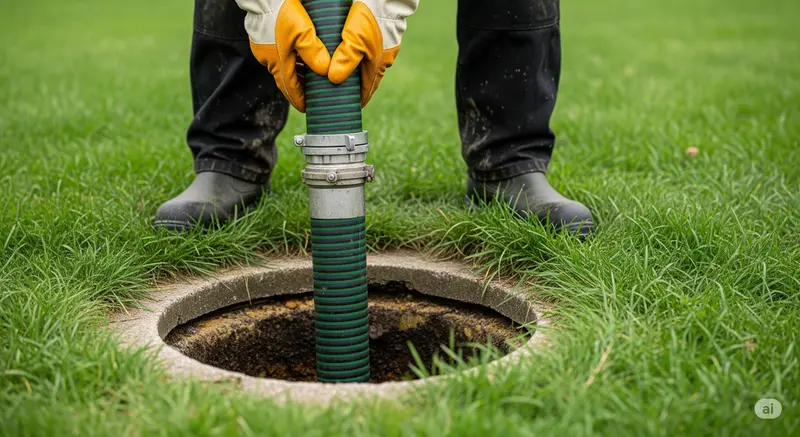
Technician with orange gloves inserting a green pump hose into an open septic tank lid on a lawn in Marion County, SC

Septic Services in Marion County, SC

SepticWorkz provides professional septic tank pumping, inspections, repairs, and complete system installations throughout Marion County, South Carolina. Our licensed technicians serve residential and commercial properties with reliable, affordable septic solutions.

Call 843-543-3050
Did You Know? — Marion County

Marion County is uniquely bounded by two iconic waterways — the Great Pee Dee River on the west and the Little Pee Dee River on the east. Both have been designated South Carolina Scenic Rivers. The Great Pee Dee is especially famous as one of the premier catfish destinations in the nation, with flathead catfish making up more than half the catfish population in its tangled, stumpy depths.

Pumping from $599
Inspections from $500
Warranty from $199/yr
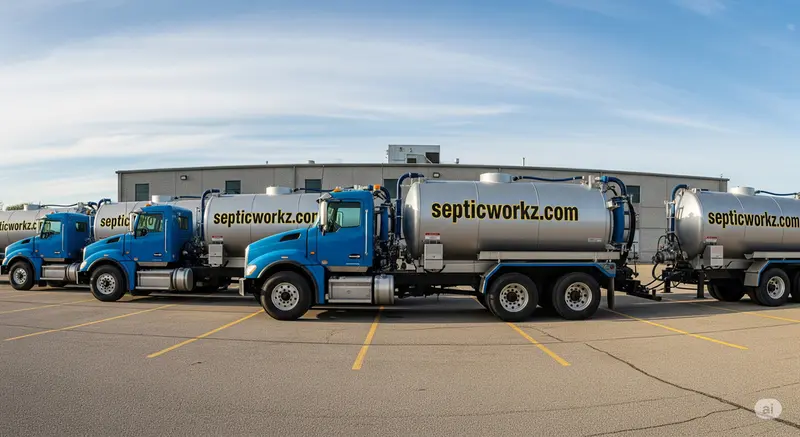
Fleet of blue SepticWorkz pump trucks with stainless steel tanks parked at the company yard serving Marion County
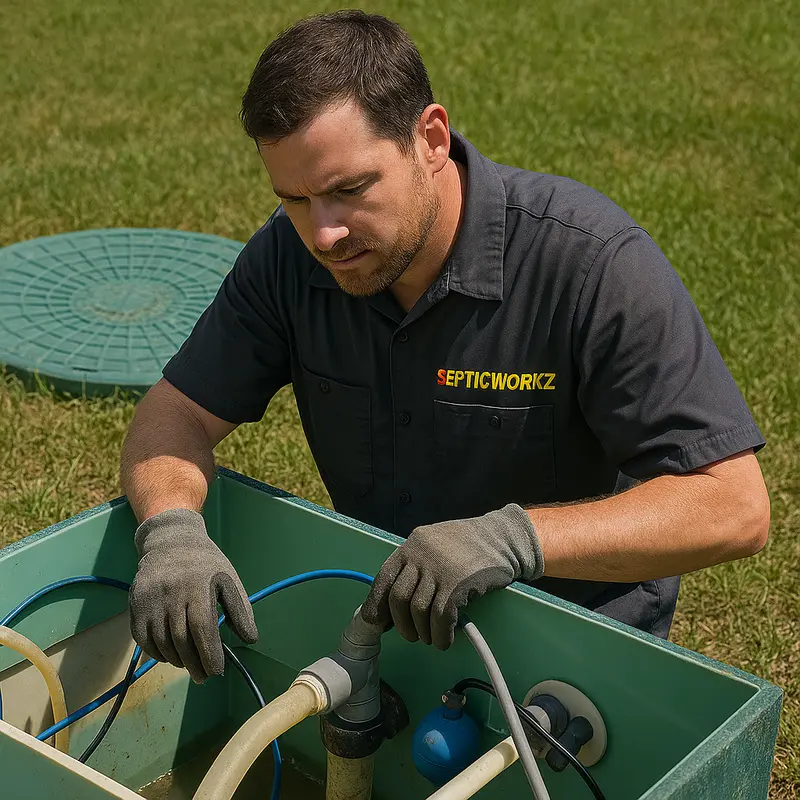
SepticWorkz technician in branded uniform inspecting a green septic control box on a residential lawn in Marion County, SC

Zip Codes Covered

About Marion County — What Affects Your Septic System

Local Spotlight

Mullins: The Tobacco Capital of South Carolina

Mullins was once the largest tobacco market in South Carolina, and the town's heritage is preserved at the South Carolina Tobacco Museum located in a restored 1940s tobacco warehouse on Main Street. The local high school teams are called the Auctioneers — one of the most unique mascots in the country — a nod to the rapid-fire chant of the tobacco auctioneers who once filled the town's warehouses. Though the tobacco era has faded, Mullins retains its small-town Southern charm and agricultural roots.

Source: SC Tobacco Museum

Local Spotlight

Nichols: A Resilient Community After Historic Flooding

Nichols is a small town in Marion County that gained national attention after being devastated by catastrophic flooding from both Hurricane Matthew in 2016 and Hurricane Florence in 2018. The Lumber River and its tributaries overflowed both times, submerging much of the town and displacing hundreds of residents. Despite the hardship, the Nichols community has shown remarkable resilience and continues to rebuild and recover.

Source: FEMA Disaster Records

Local Spotlight

Marion: Named for the Revolutionary War's "Swamp Fox"

The city of Marion and its county are named after General Francis Marion, the legendary "Swamp Fox" of the American Revolution who used the surrounding swamps and forests to launch guerrilla attacks against the British. The town serves as the county seat and features a charming historic downtown centered around a classic Southern courthouse square. Marion's history stretches back to the 1790s, and the area is rich with Revolutionary War heritage sites.

Source: Marion County Historical Society

Local Soil Conditions

Marion Soil & Septic Conditions

Marion sits on the upper coastal plain where soils are typically a mixture of sandy loam and clay subsoils, with moderate to slow percolation rates. The Pee Dee River basin influences drainage patterns throughout the county, and low-lying areas near creeks and swamps can experience seasonal high water tables. Homeowners in Marion should be aware that the clay content in local soils can cause drain field issues if the system isn't properly sized during installation.

Source: USDA Web Soil Survey

Local Soil Conditions

Nichols Soil & Septic Conditions

Nichols is located in a flood-prone river basin where soils are frequently saturated, especially in low-lying areas near the Lumber River. The predominant soil types include poorly drained loams and alluvial deposits that hold water for extended periods after rainfall. For septic systems, this means the ground may not be able to absorb and treat wastewater effectively during and after wet weather events.

Source: USDA Web Soil Survey

Local Soil Conditions

Mullins Soil & Septic Conditions

The Mullins area has predominantly sandy loam soils with clay layers at varying depths, which is typical of former agricultural flatlands in the Pee Dee region. Decades of tobacco farming may have altered the topsoil structure in some areas, and compacted farmland can affect how well water percolates through the ground. Properties on the flatter terrain around Mullins may also experience standing water after heavy rains, which can stress septic drain fields.

Source: USDA Web Soil Survey

Local Statistics

Marion County by the Numbers

Marion County has a population of approximately 28,900 residents with roughly 14,300 housing units across 489 square miles. As a predominantly rural county, a large share of homes — likely 50% or more — use septic systems rather than municipal sewer, with sewer service concentrated in the towns of Marion and Mullins. Rural lot sizes are generous, often ranging from one to five acres or more.

Source: U.S. Census Bureau 2023 ACS

SCDES Regulations

SCDES Septic Permit Requirements for Marion County

All septic system installations in Marion County require an SCDES permit under Regulation 61-56. The $150 site evaluation fee covers a soil and site assessment to determine system type and sizing. Minimum setbacks are 75 feet from private wells, 100 feet from public wells, 75 feet from streams, rivers, and ponds, 25 feet from drainage ditches, and 5 feet from property lines and buildings. Conventional trench systems are permitted where soil conditions allow; otherwise, alternative designs such as mound systems or alternative trench width/depth systems may be specified.

Source: SCDES Regulation 61-56

Soil Composition

Marion County Soil Types and Septic Performance

Marion County's upland soils are predominantly sandy loam of the Norfolk and Orangeburg series, which are well drained with moderate permeability and generally suitable for conventional septic drain fields. However, the county is flanked by the Great Pee Dee River on the west and the Little Pee Dee River on the east, and the wide river bottomlands between them contain poorly drained alluvial soils with high clay and organic content. These floodplain soils drain very slowly and typically cannot support conventional septic systems, requiring mound systems or connection to public sewer where available.

Source: USDA Web Soil Survey; NRCS Soil Series Classifications

Local Septic Tip

Septic Tips for Nichols Homeowners

After the flooding Nichols has experienced, it's critical to have your septic system professionally inspected if floodwaters ever reach your tank or drain field area. Floodwater can wash contaminants into your tank, shift components, and saturate the drain field soil to the point where it can't function properly. If you're rebuilding or replacing a system in Nichols, talk to your installer about elevated or mound-style systems designed for flood-prone areas.

Source: SepticWorkz Recommendation

Local Septic Tip

Septic Tips for Marion Homeowners

Marion's mix of sandy topsoil over clay subsoil means your drain field's performance can change with the seasons — have your system checked if you notice slow drains during wet months. Spread out your water usage throughout the day instead of running multiple loads of laundry back-to-back, which can overwhelm a septic system in slower-draining soils. A well-maintained septic system protects both your property and the local waterways that feed into the Pee Dee River.

Source: SepticWorkz Recommendation

Local Septic Tip

Septic Tips for Mullins Homeowners

If your Mullins property was once farmland, the soil may be more compacted than you'd expect — a percolation test can help determine if your drain field is adequately sized. Keep your septic tank lids accessible and avoid covering them with landscaping or heavy mulch, which makes routine pumping more difficult and expensive. With the flat terrain in this area, proper grading around your drain field is essential to prevent rainwater from pooling over your septic lines.

Source: SepticWorkz Recommendation

Common Issues

River Bottomland and Clay Soils in Marion County

Marion County lies along the Great Pee Dee and Little Pee Dee Rivers, where low-lying bottomlands feature poorly drained, clay-heavy soils. These soils have very slow percolation rates, which means conventional drain fields can become saturated and fail, especially after periods of rain. Properties on higher ground may have better-draining sandy loam, but many parcels near the river floodplain require engineered alternative systems to function properly.

Source: USDA Soil Survey — Pee Dee Region; SCDES Site Evaluations

Water Table

Marion County Water Table and Septic Considerations

On the sandy loam uplands of Marion County, the seasonal high water table generally sits 3 to 5 feet below the surface, allowing adequate separation for conventional septic systems. In the extensive bottomlands along the Great Pee Dee and Little Pee Dee rivers, the water table frequently rises to within 12 inches of the surface or higher during the winter and spring wet season. The Lumber River also joins the Little Pee Dee near Nichols, adding to the volume of water that saturates the low-lying portions of the county and limits septic options in those areas.

Source: USGS Ground-Water Levels in South Carolina; SC Department of Environmental Services

Local Geography

Marion County Rivers, Watersheds, and Flood Zones

Marion County is shaped like a sweet potato and is bounded by the Great Pee Dee River on the west and the Little Pee Dee River on the east, with the Lumber River joining the Little Pee Dee near the town of Nichols. The 25,668-acre Woodbury Wildlife Management Area sits at the southern end of the county between the two Pee Dee rivers, encompassing vast cypress-tupelo swamps and bottomland hardwood forests. These river corridors carry significant FEMA flood zones, and the town of Nichols has experienced catastrophic flooding from both Hurricane Matthew (2016) and Hurricane Florence (2018).

Source: SC Department of Natural Resources; Little Pee Dee Scenic River Management Plan; FEMA

Seasonal Tips

River Flooding and Septic Care in Marion County

The Pee Dee River system that borders Marion County is prone to extended flooding after hurricanes and heavy rainfall events, with floodwaters sometimes remaining for weeks. If your property is in or near the floodplain, reduce water use dramatically during high-water events and avoid flushing anything other than waste and toilet paper. After floodwaters recede, wait for the soil to dry before scheduling a pump-out, and have the tank inspected for silt infiltration.

Source: SCDES Homeowner Resources — Flooding; SC Emergency Management Division

Proud Supporter of Local Youth Sports

SepticWorkz proudly supports the Marion Swamp Foxes, the Palmetto Middle, the Mullins Auctioneers, and youth athletics across Marion County. We believe in giving back to the communities we serve.

HSMarion Swamp FoxesMSPalmetto MiddleHSMullins Auctioneers

Need Septic Service in Marion County?

Call us today for a free estimate. Same day service available.

What People Are Saying

SepticWorkz did an amazing job with our septic inspection before we purchased our home. They were thorough, professional, and explained everything in terms we could understand. Highly recommend their Level 2 inspection for any home buyer.

Happy Homebuyer,