Septic Services in Horry County, SC
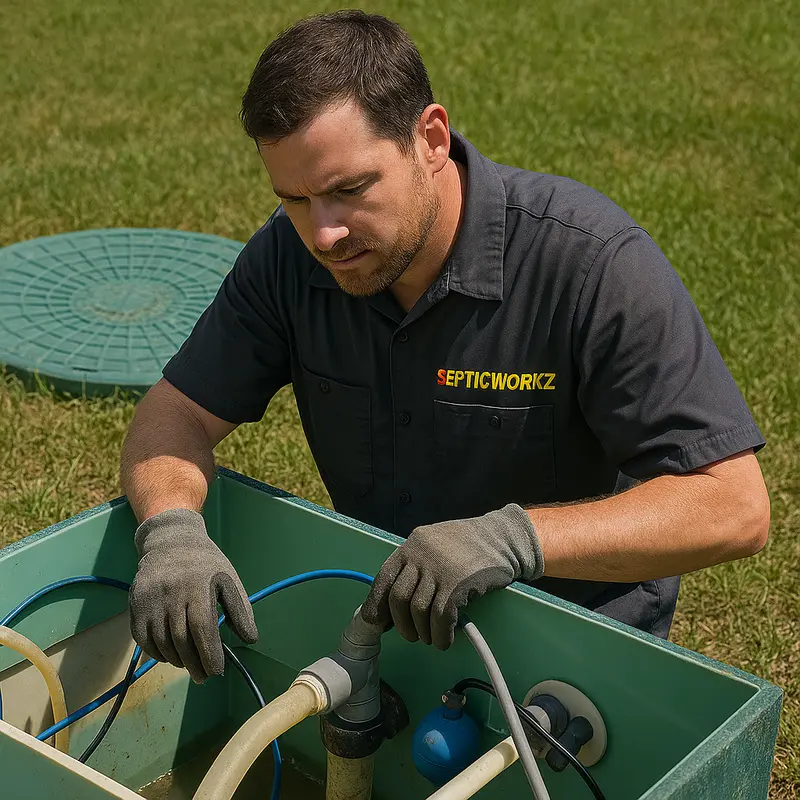
SepticWorkz provides professional septic tank pumping, inspections, repairs, and complete system installations throughout Horry County, South Carolina. Our licensed technicians serve residential and commercial properties with reliable, affordable septic solutions.
Call 843-543-3050Did You Know? — Horry County
Pine Lakes Country Club in Myrtle Beach hosted Sports Illustrated magazine's first-ever sales conference before the publication launched in 1954. The historic club, known as "The Granddaddy" of Myrtle Beach golf courses, is also the oldest course in the area, opening in 1927. Horry County today boasts over 80 golf courses along the Grand Strand.


Our Services in Horry County
Septic Tank Pumping
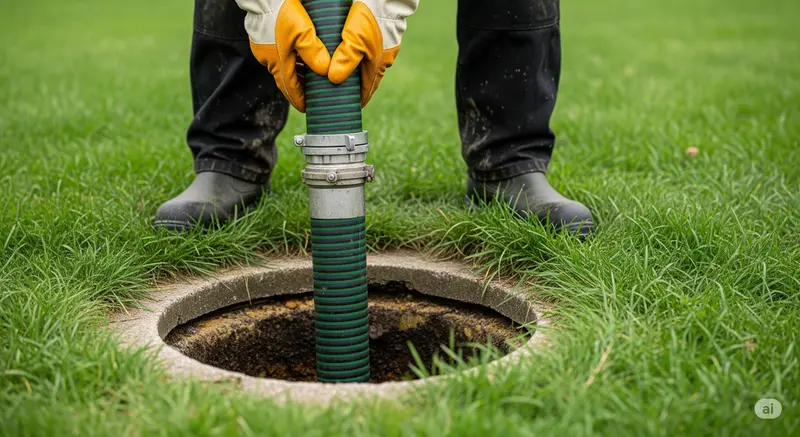
From $599Comprehensive pumping with Crust Buster agitation, hydro-vac, baffle & filter cleaning, inspection, and SCDES-compliant disposal.
Learn more →Septic Inspections
From $5003 inspection levels for homebuyers, sellers, and real estate agents. Licensed septic contractors.
Learn more →Septic Repairs
Call for Quote24/7 emergency repair service for drain field clogs, pipe damage, tank cracks, and system failures.
Learn more →New Installations
Call for QuoteComplete septic system design and installation with SCDES permitting and perk testing.
Learn more →Engineered Systems
Call for QuoteCustom-engineered solutions for challenging soil, high water tables, or steep slopes.
Learn more →Warranty Program
From $199/yr3 to 15 year maintenance plans with scheduled pumping, priority scheduling, and emergency coverage.
Learn more →Cities We Serve in Horry County
About Horry County — What Affects Your Septic System
Welcome to Little River — A Historic Fishing Village
Little River is a charming fishing village at the northern tip of Horry County, right on the South Carolina-North Carolina border. The town is famous for its Blue Crab Festival, fresh seafood waterfront restaurants, and deep-sea fishing charters that depart from the Little River waterfront daily. Despite growth from nearby North Myrtle Beach, Little River has maintained its fishing village character and remains one of the Grand Strand's most authentic communities.
Source: SepticWorkz Local Research
Welcome to Myrtle Beach — The Grand Strand's Crown Jewel
Myrtle Beach is South Carolina's tourism capital, attracting over 20 million visitors annually to the Grand Strand's 60 miles of coastline. The city is packed with attractions including Broadway at the Beach, the SkyWheel, and over 100 golf courses in the surrounding area. Beyond tourism, Myrtle Beach has a growing year-round residential population of homeowners who love the coastal lifestyle.
Source: SepticWorkz Local Research
Welcome to Conway — The County Seat of Horry County
Conway is the county seat of Horry County and one of the oldest cities in the Pee Dee region, founded in 1732. The charming downtown features the Conway Riverwalk along the Waccamaw River, lined with centuries-old live oaks draped in Spanish moss. Conway is home to Coastal Carolina University and serves as the governmental and cultural heart of Horry County.
Source: SepticWorkz Local Research
Welcome to Loris — Home of the Famous Bog-Off
Loris is best known for the annual Loris Bog-Off Festival, a beloved celebration of chicken bog — a traditional Lowcountry rice dish that's a staple of Pee Dee cooking. The town has deep roots in tobacco farming, which drove the local economy for most of the 20th century. Today Loris maintains its small-town charm while being just a 30-minute drive from the Grand Strand beaches.
Source: SepticWorkz Local Research
Welcome to North Myrtle Beach — Birthplace of the Shag
North Myrtle Beach is made up of four historic beach communities: Cherry Grove, Ocean Drive, Crescent Beach, and Windy Hill. The Ocean Drive section is famous as the birthplace of the Shag, South Carolina's official state dance, and the annual SOS festivals still draw thousands of dancers each year. North Myrtle Beach offers a slightly more relaxed vibe than its southern neighbor while still providing all the coastal amenities.
Source: SepticWorkz Local Research
Welcome to Surfside Beach — The Family Beach
Surfside Beach proudly carries the nickname "The Family Beach" and is known for its laid-back, family-friendly atmosphere just south of Myrtle Beach. The town has a two-mile stretch of beautiful coastline, a popular fishing pier, and a walkable downtown area with local shops and restaurants. Surfside Beach offers the beach lifestyle without the high-rise density and heavy tourist traffic of its larger neighbors.
Source: SepticWorkz Local Research
Welcome to Aynor — Heart of Horry County Agriculture
Aynor is a rural town in western Horry County known for its annual Harvest Hoe-Down festival, which celebrates the area's agricultural heritage with live music, food, and community events. The town sits inland from the coast, surrounded by farmland and forest that give it a distinctly different feel from the beach communities to the east. Aynor's strong sense of community and affordable cost of living make it popular with families who work along the Grand Strand but prefer a quieter home life.
Source: SepticWorkz Local Research
North Myrtle Beach Soil Conditions and Your Septic System
Like the rest of the Grand Strand, North Myrtle Beach has very sandy soils and a high water table that can rise significantly during storm events and king tides. The Cherry Grove area, being a peninsula, is particularly susceptible to water table issues that affect septic performance. Homes in these coastal zones often need engineered septic solutions that account for the unique combination of sand, salt air, and fluctuating groundwater levels.
Source: USDA Web Soil Survey
Surfside Beach Soil Conditions and Your Septic System
Surfside Beach shares the same coastal soil challenges as the rest of the Grand Strand — deep sandy soils with a water table that can sit just 2 to 4 feet below the surface. This high water table is the biggest factor affecting septic systems in the area, as it limits the depth available for drain field installation and treatment. Many Surfside Beach homes that were built decades ago have aging septic systems that may not meet current standards for these challenging conditions.
Source: USDA Web Soil Survey
Aynor Soil Conditions and Your Septic System
Aynor's inland location means the soils tend to be a mix of sandy loam and clay, with generally better drainage characteristics than the coastal areas of Horry County. The water table is typically lower here than at the beach, giving drain fields more room to work effectively. However, some properties in low-lying areas near creeks can still experience seasonal water table rises that affect septic performance.
Source: USDA Web Soil Survey
Loris Soil Conditions and Your Septic System
Loris sits in the inland portion of Horry County where soils transition from the pure sand of the coast to a mix of sandy loam and organic soils. The area around Loris includes some wetland-adjacent properties where the soil can hold more moisture and drain more slowly. These conditions generally work well for septic systems, but properties near swampy or low-lying areas may need additional evaluation before installation.
Source: USDA Web Soil Survey
Conway Soil Conditions and Your Septic System
Conway's soils are predominantly sandy, which is common throughout the Coastal Plain of Horry County. While sandy soils generally provide good drainage for septic systems, the proximity of the Waccamaw River and its tributaries can elevate the water table in many parts of town. Properties closer to the river or in flood-prone areas may need specialized septic solutions like mound systems or advanced treatment units.
Source: USDA Web Soil Survey
Myrtle Beach Soil Conditions and Your Septic System
Myrtle Beach's coastal location means the soil is almost entirely sand, and the water table is extremely high — often just a few feet below the surface. This combination creates unique challenges for septic systems because the sandy soil drains too quickly for proper treatment, while the high water table limits how deep a drain field can be installed. Many Myrtle Beach properties require advanced septic systems or alternative solutions to meet SCDES requirements.
Source: USDA Web Soil Survey
Little River Soil Conditions and Your Septic System
Little River's coastal and waterfront setting means many properties contend with sandy soils and a high water table, similar to the rest of the Grand Strand. The Intracoastal Waterway and Little River Inlet influence groundwater levels throughout the area, and properties closer to the water face the most challenging conditions. Saltwater intrusion can also be a factor, which can affect both septic system components and surrounding soil chemistry.
Source: USDA Web Soil Survey
Horry County by the Numbers
Horry County is one of South Carolina's fastest-growing counties with a population exceeding 370,000 residents and over 219,000 housing units across 1,255 square miles. Growth has been explosive — the population increased nearly 4% in a single year. While the Grand Strand beach communities are largely on municipal sewer, inland and rural areas of Horry County still rely heavily on septic systems. Lot sizes vary dramatically from compact oceanfront parcels to expansive inland acreage.
Source: U.S. Census Bureau 2023 ACS
SCDES Septic Permit Requirements for Horry County
Horry County septic permits are issued by SCDES under Regulation 61-56, with the local office reachable at (843) 915-8801. Due to the county's high water table and coastal location, many sites require alternative system designs such as mound systems (System Standard 420/421) or elevated infiltration systems (System Standard 601). Standard setbacks apply: 75 feet from private wells, 100 feet from public wells, 75 feet from surface water and tidal critical area lines, and 5 feet from property lines. The $150 site evaluation fee is required with the permit application.
Source: SCDES Regulation 61-56
Horry County Soil Types and Septic Performance
Horry County sits entirely within the Lower Coastal Plain and has soils ranging from excessively drained fine sands on higher ground to very poorly drained sandy loams and loamy sands in its many low-lying areas. Dominant soil series include Leon, Lynchburg, and Rutlege, many of which have severe limitations for septic use due to wetness and slow percolation. Properties on better-drained upland ridges with Lakeland or Norfolk-type sands may support conventional drain fields, but a large percentage of the county requires alternative systems because of the flat terrain and saturated soils.
Source: USDA Soil Survey of Horry County, SC; NRCS Soil Series Descriptions
Septic Tips for Little River Homeowners
Little River's proximity to the Intracoastal Waterway means that a failing septic system doesn't just affect your yard — it can impact the waterways that the community depends on for fishing and recreation. If you live near the water, regular septic maintenance isn't just good for your home, it's good for your neighbors and the local economy. We recommend annual inspections for waterfront properties and pumping every 3 years to stay ahead of any potential issues.
Source: SepticWorkz Recommendation
Septic Tips for Conway Homeowners
Conway's location along the Waccamaw River means that flooding events can impact septic systems, especially in low-lying neighborhoods. After any significant flooding, have your septic system inspected before resuming normal use — floodwater can infiltrate your tank and overwhelm your drain field. If your area floods regularly, talk to us about flood-resistant septic options that can save you money and headaches in the long run.
Source: SepticWorkz Recommendation
Septic Tips for Myrtle Beach Homeowners
If you rent out your Myrtle Beach property to vacationers, your septic system takes a much heavier beating than a typical residential system. Peak summer occupancy can triple or quadruple your normal water usage, so we recommend pumping your tank before and after tourist season. Also, make sure to post clear guidelines for renters about what not to flush — vacation guests aren't always septic-savvy.
Source: SepticWorkz Recommendation
Septic Tips for North Myrtle Beach Homeowners
Salt air and coastal humidity can be tough on septic system components, especially risers, lids, and any exposed hardware. We recommend inspecting your tank's accessible components annually for corrosion or deterioration. If you have a vacation rental property in North Myrtle Beach, consider installing a septic tank alarm that alerts you to high water levels before a backup becomes a costly emergency.
Source: SepticWorkz Recommendation
Septic Tips for Surfside Beach Homeowners
Surfside Beach homeowners should be extra cautious about water conservation to keep their septic systems healthy in these high water table conditions. Fix leaky faucets and running toilets promptly, and consider installing low-flow fixtures if your home doesn't already have them. Every gallon of water you save reduces the load on your drain field, which is especially important when the water table is already high.
Source: SepticWorkz Recommendation
Septic Tips for Loris Homeowners
Many homes in the Loris area are on larger lots with older septic systems that may have been installed before modern SCDES regulations. If your septic system is more than 25 years old, it's worth having it professionally evaluated to ensure it's still functioning properly and protecting your well water. Upgrading an aging system before it fails is always more affordable than dealing with an emergency replacement.
Source: SepticWorkz Recommendation
Septic Tips for Aynor Homeowners
Aynor's rural properties often have both a septic system and a private well, making proper maintenance of both systems essential for your family's health. Keep heavy farm equipment and vehicles off your drain field area — soil compaction from heavy loads can crush pipes and destroy the drain field's ability to absorb wastewater. If you're adding onto your home or building a guest house, make sure your existing septic system is sized to handle the additional usage.
Source: SepticWorkz Recommendation
High Water Table and Coastal Density Issues in Horry County
Horry County's porous sandy soils and high water table — especially around the Myrtle Beach area — create significant septic challenges. Rapid development has placed many septic systems close together in low-lying, wet areas, meaning the soil never fully recovers between absorption cycles. Rising sea levels are pushing the water table even higher, shrinking the vertical separation between drain fields and groundwater and allowing partially treated wastewater to reach nearby waterways.
Source: SC Sea Grant Consortium; Post and Courier Investigation 2023
Horry County Water Table and Septic Considerations
Horry County has some of the shallowest seasonal high water tables in the Pee Dee region, with many areas seeing saturation within 6 to 18 inches of the surface during the wet season. The county's flat topography and proximity to the coast mean that water has limited ability to drain, and tidal influences can push groundwater even higher in eastern areas near the Intracoastal Waterway. Mound systems and low-pressure pipe systems are commonly required across much of Horry County, and homeowners should plan for higher installation costs compared to counties with deeper water tables.
Source: USGS Ground-Water Levels in South Carolina; Horry County Stormwater Management Design Manual
Horry County Rivers, Watersheds, and Flood Zones
Horry County is shaped by three major waterways: the Waccamaw River, the Pee Dee River along its western border, and the Atlantic Intracoastal Waterway running parallel to the coast. Hurricane Florence in 2018 pushed the Waccamaw to a record crest over 21 feet at Conway, and the 35,000-acre Waccamaw National Wildlife Refuge stored an estimated 98 billion gallons of floodwater during that event. Large portions of the county are designated FEMA flood zones, and properties anywhere near these waterways require careful site evaluation before septic system permitting.
Source: SC Department of Natural Resources; Horry County Flood Resilience Master Plan; FEMA
Hurricane Season Septic Protection in Horry County
Horry County is highly vulnerable to hurricane flooding — storms like Hurricane Florence (2018) and Tropical Storm Debby (2024) caused catastrophic flooding along the Waccamaw River. Before hurricane season (June 1), have your tank pumped and inspected so it has maximum capacity for storm surges. If floodwaters cover your drain field, stop all water usage immediately and do not pump the tank until the ground dries — pumping a tank in saturated soil can cause it to pop out of the ground.
Source: SCDES Homeowner Resources — Flooding; SC Emergency Management Division
Proud Supporter of Local Youth Sports
SepticWorkz proudly supports the Myrtle Beach Seahawks, the Carolina Forest Middle, the Socastee Middle, and youth athletics across Horry County. We believe in giving back to the communities we serve.
Need Septic Service in Horry County?
Call us today for a free estimate. Same day service available.
What People Are Saying
“SepticWorkz did an amazing job with our septic inspection before we purchased our home. They were thorough, professional, and explained everything in terms we could understand. Highly recommend their Level 2 inspection for any home buyer.”