Septic Services in Darlington County, SC
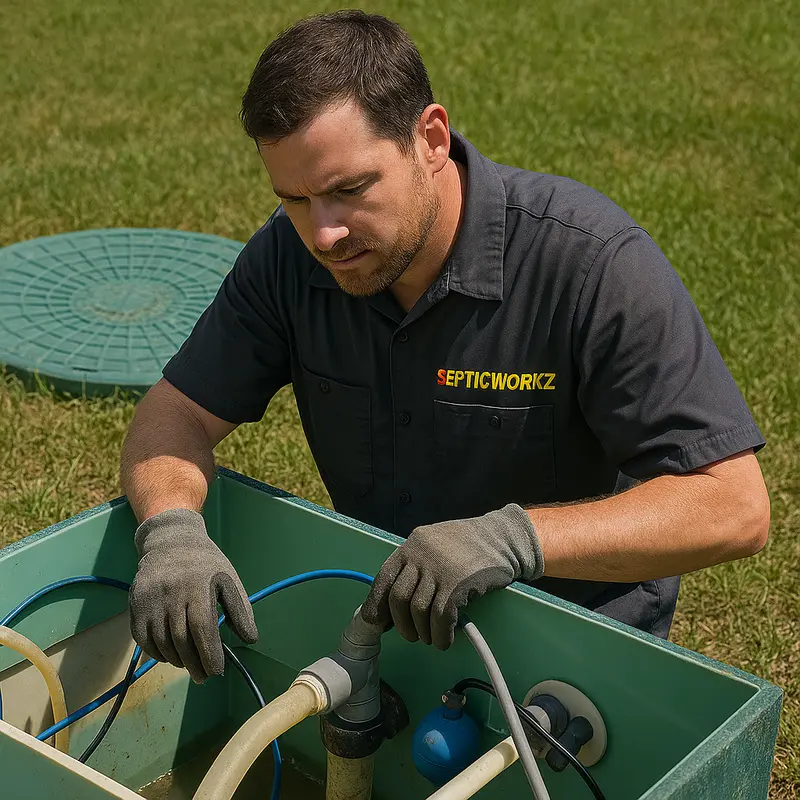
SepticWorkz provides professional septic tank pumping, inspections, repairs, and complete system installations throughout Darlington County, South Carolina. Our licensed technicians serve residential and commercial properties with reliable, affordable septic solutions.
Call 843-543-3050Did You Know? — Darlington County
In the early 1900s, Darlington became the largest tobacco market in all of South Carolina after Bright Leaf tobacco was introduced in 1899. Before that, the county thrived on cotton, with warehouses and gins dotting the landscape. Today the agricultural heritage lives on, though the county has diversified well beyond its farming roots.


Our Services in Darlington County
Septic Tank Pumping
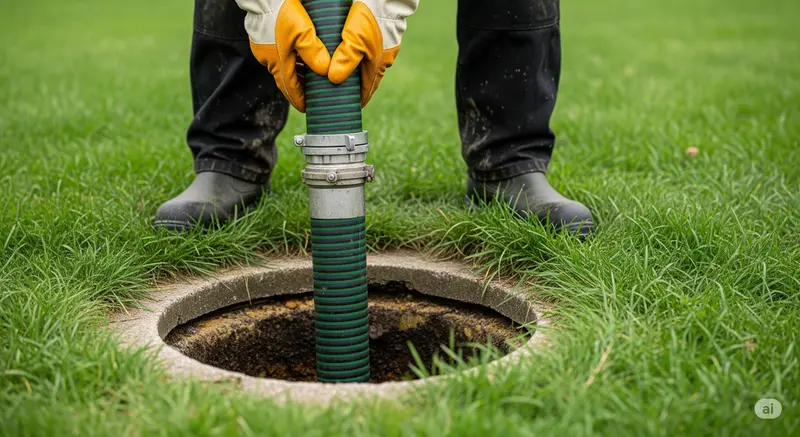
From $599Comprehensive pumping with Crust Buster agitation, hydro-vac, baffle & filter cleaning, inspection, and SCDES-compliant disposal.
Learn more →Septic Inspections
From $5003 inspection levels for homebuyers, sellers, and real estate agents. Licensed septic contractors.
Learn more →Septic Repairs
Call for Quote24/7 emergency repair service for drain field clogs, pipe damage, tank cracks, and system failures.
Learn more →New Installations
Call for QuoteComplete septic system design and installation with SCDES permitting and perk testing.
Learn more →Engineered Systems
Call for QuoteCustom-engineered solutions for challenging soil, high water tables, or steep slopes.
Learn more →Warranty Program
From $199/yr3 to 15 year maintenance plans with scheduled pumping, priority scheduling, and emergency coverage.
Learn more →Cities We Serve in Darlington County
About Darlington County — What Affects Your Septic System
Welcome to Darlington — Home of the Track Too Tough to Tame
Darlington is famous worldwide for the Darlington Raceway, NASCAR's original superspeedway and the home of the Southern 500 since 1950. The track's unique egg-shaped design earned it the nickname "The Track Too Tough to Tame," and race weekends bring tens of thousands of fans to this small Pee Dee town. Beyond racing, Darlington's historic downtown and friendly community make it a great place to call home.
Source: SepticWorkz Local Research
Welcome to Society Hill — One of South Carolina's Oldest Towns
Society Hill is one of the oldest towns in South Carolina, originally settled by Welsh Baptists in the 1730s. The town's name comes from the St. David's Society, a Welsh cultural organization that was central to the community's founding. Today, Society Hill is listed on the National Register of Historic Places and is home to beautiful antebellum architecture and a strong sense of heritage.
Source: SepticWorkz Local Research
Welcome to Lamar — Small Town, Big Heart
Lamar is a small rural town in Darlington County with deep roots in agriculture, particularly egg farming and poultry production. The town's Egg Scramble Jamboree, held since 1957, is an annual celebration of the area's farming heritage and draws visitors from across the region. Lamar's quiet, country lifestyle and close-knit community make it a special corner of the Pee Dee.
Source: SepticWorkz Local Research
Welcome to Hartsville — A Gem of the Pee Dee
Hartsville is home to Coker University, founded in 1908, and the beautiful Kalmia Gardens, a 35-acre botanical garden along Black Creek. The city is also the headquarters of Sonoco Products Company, a Fortune 500 packaging company that has been based here since 1899. Hartsville has been recognized as one of the best small towns in South Carolina for its charm, culture, and community spirit.
Source: SepticWorkz Local Research
Society Hill Soil Conditions and Your Septic System
Society Hill sits along the Great Pee Dee River, and properties near the river tend to have sandier soils with a higher water table. Inland areas feature more of the clay-loam mix typical of upper Darlington County. The varying soil conditions in this area mean that septic system design needs to be tailored to your specific property — what works for your neighbor may not be the right fit for your lot.
Source: USDA Web Soil Survey
Darlington Soil Conditions and Your Septic System
Darlington sits on the upper Coastal Plain where soils tend to be a mixture of sandy loam near the surface with heavy red clay beneath. This layered soil profile means water can move through the top layer quickly but gets held up at the clay boundary, which affects how your drain field absorbs wastewater. Properties closer to Swift Creek or the railroad corridor may have even more variable soil conditions that require careful septic system design.
Source: USDA Web Soil Survey
Lamar Soil Conditions and Your Septic System
Lamar's rural landscape features sandy and loamy soils that are generally favorable for septic drain fields. However, some areas around the town have heavier clay subsoils that can create percolation challenges if your system isn't properly designed. Agricultural activity in the area also means the soil composition can vary significantly from one property to the next, making a soil evaluation important before any septic installation.
Source: USDA Web Soil Survey
Hartsville Soil Conditions and Your Septic System
Hartsville's soil profile features a mix of sandy loam and red clay, especially in areas along Black Creek and its tributaries. The water table can run higher near these creek areas, which affects how well your drain field absorbs and filters wastewater. If your property is near any of Hartsville's waterways, it's especially important to keep your septic system well-maintained to protect local water quality.
Source: USDA Web Soil Survey
Darlington County by the Numbers
Darlington County has a population of approximately 62,800 residents and roughly 30,300 housing units spread across 567 square miles. Like much of the rural Pee Dee region, a significant portion of homes — estimated around 40-50% — rely on septic systems rather than municipal sewer, particularly in unincorporated areas outside Darlington and Hartsville. Average residential lot sizes in the county range from half an acre to over two acres in rural areas.
Source: U.S. Census Bureau 2023 ACS
SCDES Septic Permit Requirements for Darlington County
All onsite wastewater systems in Darlington County require an SCDES permit under Regulation 61-56. The site evaluation fee is $150, and a licensed Professional Soil Classifier may be required due to the mix of well-drained Orangeburg and clayey Duplin soils found across the county. Minimum setbacks include 75 feet from private wells, 100 feet from public wells, 75 feet from surface water bodies, 5 feet from property lines, and 5 feet from buildings. Septic tanks must have a minimum net liquid capacity of 1,000 gallons for homes with four bedrooms or fewer.
Source: SCDES Regulation 61-56
Darlington County Soil Types and Septic Performance
Darlington County sits on the Upper Coastal Plain and is dominated by well-drained Orangeburg and Norfolk sandy loam soils, which were first classified here in 1902. These sandy loams offer moderate permeability and good drainage, making most upland areas well suited for conventional septic drain fields. In low-lying areas and stream bottoms, poorly drained Coxville and Rains soils with higher clay content can be found, which drain slowly and may require larger drain fields or alternative septic systems.
Source: USDA Web Soil Survey; NRCS Official Soil Series Descriptions
Septic Tips for Darlington Homeowners
With the heavy clay soils common around Darlington, we recommend having your septic tank pumped every 3 to 5 years to prevent solids from reaching your drain field. During big race weekends, homeowners hosting extra guests should be mindful of increased water usage that can overload a septic system. Spreading out laundry loads and showers over the course of the day helps keep your system running smoothly.
Source: SepticWorkz Recommendation
Septic Tips for Lamar Homeowners
Many Lamar properties are on larger rural lots with well water, which means a septic failure can directly affect your drinking water supply. Keep your well and septic system at least 100 feet apart, and have both tested regularly. If you're on a farm property, make sure livestock and heavy equipment are kept away from your drain field area to avoid compacting the soil.
Source: SepticWorkz Recommendation
Septic Tips for Hartsville Homeowners
Hartsville homes near Black Creek or Prestwood Lake should be especially careful about septic maintenance since a failing system can contaminate nearby waterways. We recommend scheduling a professional inspection at least every two years, even if your system seems to be working fine. Avoid planting deep-rooted trees like willows near your drain field — their roots can infiltrate and damage your septic lines.
Source: SepticWorkz Recommendation
Septic Tips for Society Hill Homeowners
With many Society Hill homes being older and historic, some septic systems in the area may be outdated and due for replacement or upgrade. If your home was built before 1980, it's a good idea to have your septic system professionally evaluated to make sure it meets current SCDES standards. Properties near the Great Pee Dee River should be especially vigilant, as a failing septic system can impact both groundwater and the river.
Source: SepticWorkz Recommendation
Mixed Soil Drainage Problems in Darlington County
Darlington County sits on the upper Coastal Plain where well-drained sandy loam uplands transition into clayey lowland soils such as the Duplin series. Homes built on clay-heavy parcels often experience slow percolation and drain field saturation, causing septic backups and surfacing effluent. Properties near creeks and bottomlands are especially vulnerable because the clay subsoil limits how quickly wastewater can filter downward.
Source: USDA Soil Survey — Darlington County
Darlington County Water Table and Septic Considerations
On the well-drained sandy loam uplands that cover most of Darlington County, the seasonal high water table is typically 4 to 6 feet below the surface, providing adequate separation for conventional septic systems. However, along the Lynches River and Black Creek floodplains, the seasonal high water table can rise to within 12 to 18 inches of the surface during wet winter and spring months. Properties in these low-lying areas often require mound systems or other engineered alternatives because the shallow water table does not allow adequate soil filtration of septic effluent.
Source: USGS Ground-Water Levels in South Carolina; SC Department of Environmental Services
Darlington County Rivers, Watersheds, and Flood Zones
Darlington County is drained by two major waterways: the Lynches River along its western border and Black Creek flowing through the central and eastern portions of the county. Both waterways are part of the Pee Dee River Basin and feature wide floodplains with bottomland hardwood wetlands that are designated FEMA flood zones. The Black Creek watershed alone covers nearly 187,000 acres of Sandhills and Upper Coastal Plain terrain, and properties near either waterway should be evaluated carefully for septic suitability due to periodic flooding and saturated soils.
Source: SC Department of Natural Resources; FEMA Flood Insurance Rate Maps
Summer and Hurricane Season Septic Care in Darlington County
During summer, heavy thunderstorms and tropical systems can saturate Darlington County's clay-rich lowland soils, overwhelming drain fields for days or weeks. Reduce water usage during and after major rain events, and never pump your septic tank while the ground is still waterlogged — the tank can float out of position. Schedule your septic inspection and pump-out in early spring before hurricane season begins in June.
Source: SCDES Homeowner Resources — Flooding
Proud Supporter of Local Youth Sports
SepticWorkz proudly supports the Mayo Phoenix, the Darlington Falcons, the Darlington Recreation, and youth athletics across Darlington County. We believe in giving back to the communities we serve.
Need Septic Service in Darlington County?
Call us today for a free estimate. Same day service available.
What People Are Saying
“We were tired of dealing with a discount pumper who just wasn't getting the job done! Our septic system was backing up every 3 to 6 months. Finally, we called Septic Workz. They used the Crust Buster to get all the solids out and then added commercial chemicals to help balance our tank. Three years later, we still haven't experienced any backups!”