Septic Services in Dillon County, SC
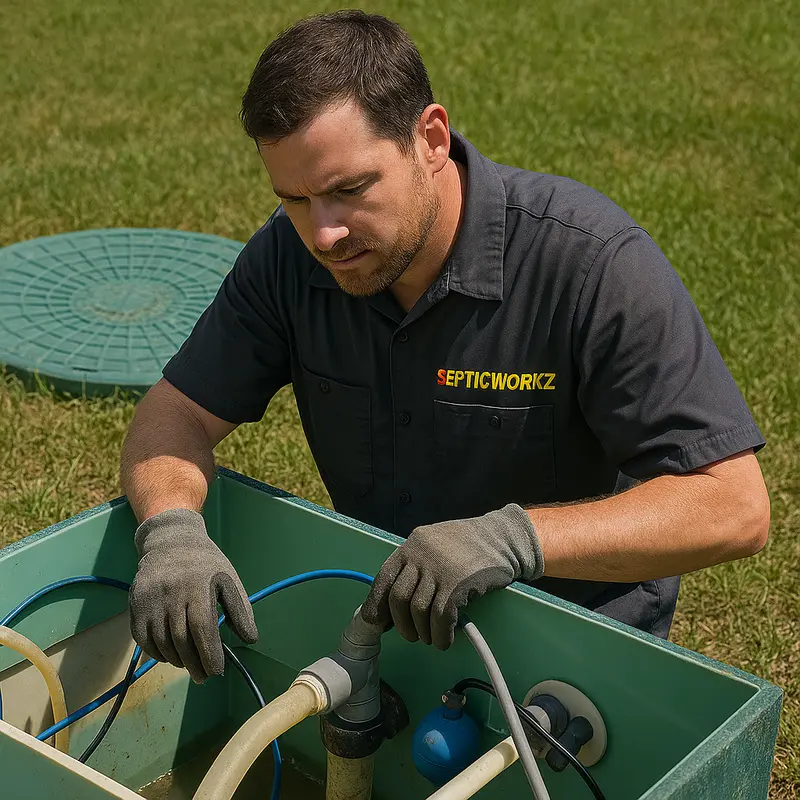
SepticWorkz provides professional septic tank pumping, inspections, repairs, and complete system installations throughout Dillon County, South Carolina. Our licensed technicians serve residential and commercial properties with reliable, affordable septic solutions.
Call 843-543-3050Did You Know? — Dillon County
Dillon County was carved from Marion County in 1910 and named for James W. Dillon, an Irish immigrant who settled in the area and led the effort to bring the Wilson Short Cut Railroad through in 1886. Dillon offered fifty acres of his own land to the railroad on the condition that the depot and town be named after him. The railroad later became part of the Atlantic Coast Line, transforming the local economy.


Our Services in Dillon County
Septic Tank Pumping
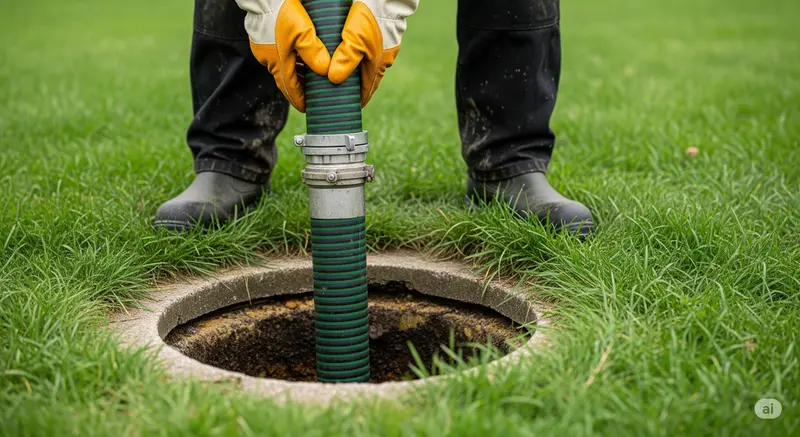
From $599Comprehensive pumping with Crust Buster agitation, hydro-vac, baffle & filter cleaning, inspection, and SCDES-compliant disposal.
Learn more →Septic Inspections
From $5003 inspection levels for homebuyers, sellers, and real estate agents. Licensed septic contractors.
Learn more →Septic Repairs
Call for Quote24/7 emergency repair service for drain field clogs, pipe damage, tank cracks, and system failures.
Learn more →New Installations
Call for QuoteComplete septic system design and installation with SCDES permitting and perk testing.
Learn more →Engineered Systems
Call for QuoteCustom-engineered solutions for challenging soil, high water tables, or steep slopes.
Learn more →Warranty Program
From $199/yr3 to 15 year maintenance plans with scheduled pumping, priority scheduling, and emergency coverage.
Learn more →Cities We Serve in Dillon County
About Dillon County — What Affects Your Septic System
Latta: Home to the Inland Wetlands Park
Latta is a small town in Dillon County best known for the Inland Wetlands Park, a unique nature preserve and environmental education center that features boardwalks through Carolina bay wetlands and habitats for native wildlife. The town was established as a railroad stop in the late 1800s and has maintained its quiet, rural character ever since. Latta's downtown features several buildings listed on the National Register of Historic Places.
Source: Town of Latta
Lake View: A Quiet Rural Community Near the NC Border
Lake View is a tiny rural town in the northeastern corner of Dillon County, just a short drive from the North Carolina state line. With a population of just a few hundred residents, it's one of the smallest incorporated towns in South Carolina. The community is surrounded by farmland and has maintained its agricultural character for well over a century.
Source: Dillon County
Dillon: A Railroad Town Near the Famous South of the Border
Dillon was founded in 1888 and named after James W. Dillon, a prominent local businessman who helped bring the railroad to the area. The city serves as the county seat and is located right off Interstate 95, just miles from the iconic South of the Border roadside attraction that has drawn travelers since 1950. Dillon's history as a railroad hub shaped its downtown, and the town continues to serve as a gateway between the Carolinas.
Source: Dillon County Historical Society
Dillon Soil & Septic Conditions
Dillon County sits on the upper coastal plain with soils that are generally sandy to sandy loam near the surface, transitioning to clay at deeper levels. These well-drained sandy soils can be good for septic systems, but the clay sublayer can create a perched water table during prolonged wet periods. Homeowners in the Dillon area should ensure their drain field is installed at the right depth to avoid hitting that clay barrier.
Source: USDA Web Soil Survey
Lake View Soil & Septic Conditions
Lake View sits on flat coastal plain terrain with sandy soils that generally provide decent percolation for septic systems. However, the flat topography means water doesn't always drain away quickly after storms, and some areas can develop temporary surface ponding. The sandy soil also means there's less natural filtration of wastewater before it reaches groundwater, so a properly functioning system is especially important for well water users in the area.
Source: USDA Web Soil Survey
Latta Soil & Septic Conditions
The Latta area features sandy loam soils typical of the Pee Dee region, with relatively good drainage in upland areas but wetter conditions near the Carolina bay wetlands that surround the town. Properties adjacent to or near wetland areas may have seasonally high water tables that limit drain field effectiveness. Soil conditions can vary significantly even within a single property, so site-specific evaluation is important before installing or replacing a septic system.
Source: USDA Web Soil Survey
Dillon County by the Numbers
Dillon County has a population of approximately 29,600 residents and about 15,600 housing units across 407 square miles. Rural properties make up the majority of the county, and an estimated 45-55% of homes rely on septic systems. Municipal sewer is available primarily within the towns of Dillon and Latta. Lot sizes in the rural areas commonly run one to three acres, offering plenty of space for residential septic systems.
Source: U.S. Census Bureau 2023 ACS
SCDES Septic Permit Requirements for Dillon County
Dillon County septic permits are issued through SCDES under Regulation 61-56, with the Florence regional office serving as the local contact at (843) 661-4825. A $150 site evaluation fee is required at application. Required setbacks include 75 feet from private wells, 100 feet from public wells, 75 feet from natural water bodies, 25 feet from drainage ditches, and 5 feet from property lines. The minimum septic tank capacity is 1,000 gallons for homes with up to four bedrooms, with larger tanks required for larger homes based on a formula of 1.5 times peak daily flow.
Source: SCDES Regulation 61-56
Dillon County Soil Types and Septic Performance
Dillon County lies on the inner Coastal Plain and is characterized by sandy loam and loamy sand soils that historically supported extensive tobacco farming. The dominant upland soils — Norfolk, Orangeburg, and Dothan series — are well drained with moderate permeability, making most elevated areas suitable for conventional septic systems. Near the Little Pee Dee River and its tributaries, poorly drained Rains and Lynchburg series soils with higher clay subsoils create areas where water moves too slowly for standard drain fields, and alternative septic designs may be needed.
Source: USDA Web Soil Survey; NRCS Official Soil Series Descriptions
Septic Tips for Lake View Homeowners
Many Lake View homes rely on well water, which makes keeping your septic system in good shape doubly important — a failing drain field can contaminate the same groundwater your family drinks. Test your well water annually for coliform bacteria and nitrates, especially if your well is within 100 feet of your drain field. On flat lots like most around Lake View, proper grading during installation is critical to make sure effluent moves through the drain field evenly.
Source: SepticWorkz Recommendation
Septic Tips for Dillon Homeowners
Dillon's sandy topsoil is generally friendly for septic systems, but don't let that lull you into skipping regular maintenance — sand filters wastewater quickly, which means contaminants can reach groundwater faster if your system isn't working properly. Have your tank pumped every 3 to 5 years and inspect the baffles while you're at it, since they're the first thing to deteriorate. If your home is on a lot near the Little Pee Dee River floodplain, keep an eye on your drain field performance during rainy seasons.
Source: SepticWorkz Recommendation
Septic Tips for Latta Homeowners
If your Latta property is anywhere near the wetland areas around town, make sure your septic installer evaluates the seasonal high water table before placing your drain field. A system that works fine in summer can fail in winter and spring when the water table rises. Conserving water in your household — fixing leaky faucets, using efficient fixtures — reduces the daily load on your septic system and helps it last longer.
Source: SepticWorkz Recommendation
Agricultural Soils and Septic Challenges in Dillon County
Dillon County's upper Coastal Plain soils include productive agricultural loams and sandy loams on uplands, but transition to clay-rich, poorly drained soils in low-lying areas near the Little Pee Dee River. The clay subsoils can cause drain field saturation and slow effluent absorption, particularly during wet seasons. On well-drained upland parcels, conventional septic systems generally perform well, but properties with shallow clay layers may need mound or alternative trench systems.
Source: USDA Soil Survey — Pee Dee Region
Dillon County Water Table and Septic Considerations
Upland areas of Dillon County typically have a seasonal high water table between 3 and 5 feet below the surface, providing good conditions for conventional septic drain field operation. Along the Little Pee Dee River floodplain, which runs through the western portion of the county, the seasonal high water table can rise to within 6 to 12 inches of the surface during wet months. Homeowners purchasing property near the Little Pee Dee or its tributary creeks should have a professional soil classifier evaluate the site, as shallow water tables in these areas often require raised mound systems.
Source: USGS Ground-Water Levels in South Carolina; SC Department of Environmental Services
Dillon County Rivers, Watersheds, and Flood Zones
The Little Pee Dee River, a designated State Scenic River, flows southeasterly through western Dillon County and is the county's most significant waterway. This classic blackwater river features dark tea-stained waters, sandy bottoms, and corridors of cypress-tupelo swamp and bottomland hardwood forest that are designated FEMA flood zones. The Little Pee Dee's floodplain can extend several hundred yards from the main channel, and properties within or adjacent to these areas face restrictions on septic system installation and may require elevated or alternative treatment designs.
Source: SC Department of Natural Resources; Little Pee Dee Scenic River Management Plan; FEMA
Seasonal Septic Maintenance Tips for Dillon County
Dillon County's clay lowlands are most vulnerable during the wet months of late fall through early spring, when sustained rainfall raises the water table and saturates drain fields. Conserve water during prolonged rainy periods by spreading out laundry loads and shortening showers. Schedule your septic tank pumping every 3 to 5 years, ideally in late spring or early summer when the ground is drier and more accessible for service trucks.
Source: SCDES Homeowner Resources; Clemson Extension — Be Septic Safe
Proud Supporter of Local Youth Sports
SepticWorkz proudly supports the Dillon Wildcats, the Lake View Wild Gators, the Latta Vikings, and youth athletics across Dillon County. We believe in giving back to the communities we serve.
Need Septic Service in Dillon County?
Call us today for a free estimate. Same day service available.
What People Are Saying
“We were tired of dealing with a discount pumper who just wasn't getting the job done! Our septic system was backing up every 3 to 6 months. Finally, we called Septic Workz. They used the Crust Buster to get all the solids out and then added commercial chemicals to help balance our tank. Three years later, we still haven't experienced any backups!”